

News
Filter by year :
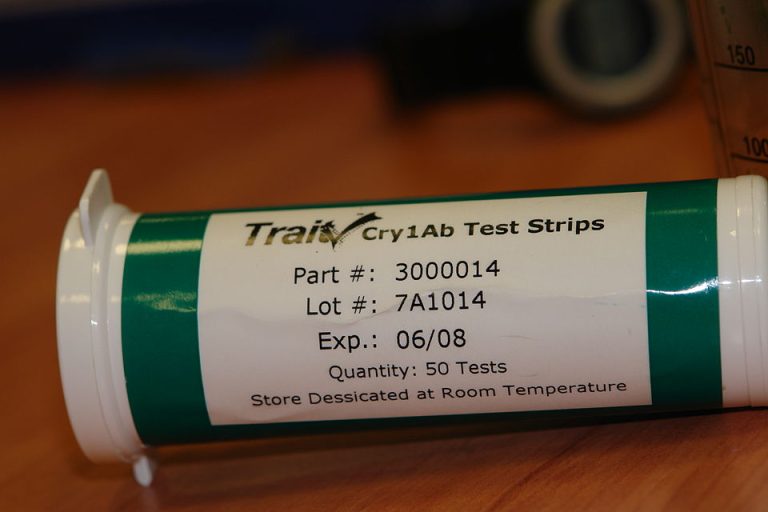
For several years, EFSA and ANSES have been asking Bayer to monitor the emergence of teosinte, the wild ancestor of maize, in fields cultivated with Mon810 maize in Portugal and Spain. In 2023, the company was still not doing so. However, the presence of teosinte in Europe has been confirmed. A scientific study has even shown experimentally that the Mon810 transgene can be transmitted from maize to teosinte plants collected in Spanish fields. The production of transgenic insecticidal protein is therefore not under control.
Brevetabilité
Negotiations on the future European regulation on new genetic modification techniques have been focusing on two sensitive issues for several months: patentability and sustainability. Keen to conclude the dossier before the end of the year, the Danish Presidency is stepping up efforts to find a compromise, at the risk of neglecting issues that are of particular concern to small and medium-sized breeders and farmers. Denmark will seek an agreement this week, having already threatened to freeze discussions and refer the text back to the European Parliament for a second reading.
Environment
Impact sur la biodiversité
There is no shortage of observations of a living world in the process of destruction, with examples such as collapsing biodiversity and climate change. However, the solutions proposed and adopted by decision-makers in technophile countries are fueling this destruction, as in the case of GMOs. In the opinion piece published here by Inf’OGM, Frédéric Jacquemart calls for the implementation of a “global (systemic) assessment” that would “take into account the organization of the natural complex systems on which we depend in order to guide public decision-making”.

Digital sequence information (DSI)
For some times now, the International Treaty on Plant Genetic Resources for Food and Agriculture is discussing an expansion of its scope to all plant genetic resources for food and agriculture. Many stakeholders and observers are fearing this would end up in legitimizing biopiracy. As the next meeting will occur in Lima (Peru) starting in November, the 24th, Inf’OGM publishes the analysis of Nithin Ramakrishnan, from Third World Network, one of the stakeholders of this meeting.
Environment
Agrofuel
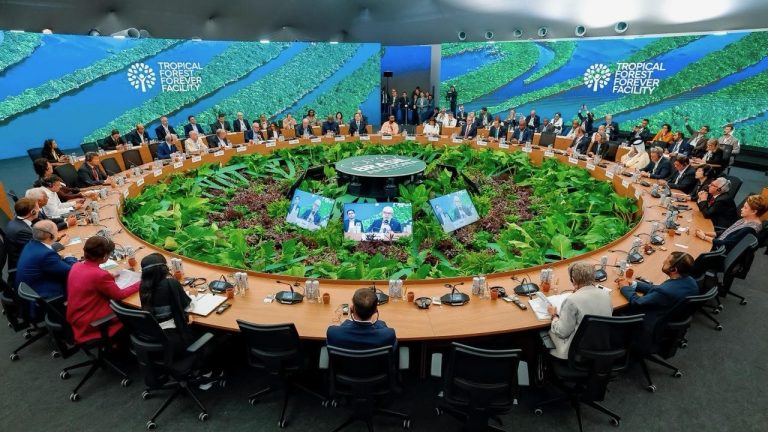
At a time when countries are meeting in Belém, Brazil, to discuss the tools needed to combat climate change, Inf’OGM wishes to shed light on the role of biotechnology in these negotiations. Biotechnology companies are making several promises: GMOs will help combat world hunger and climate change.
Law
Mutagenesis
Being precise, targeting and achieving one’s goal, directing a mutagenesis… these are adjectives that convey a sense of control and precision. However, on closer inspection, these adjectives mean nothing in a legal text. Because, in the European Commission’s proposal to deregulate a number of GMOs, they are not accompanied by their corollaries: targeted where? Precise to what degree? Directed by what or by whom?

Labelling
On 14 October 2025, eight consumer associations from various EU Member States published an opinion calling on European institutions to maintain GMO labelling to enable European consumers to make informed choices about their food.

Law
New genomic techniques (GMO/NGT)
Plants and fungi genetically modified using CRISPR or other “targeted mutagenesis” techniques, genetically modified organisms (GMOs) designated by the acronym “NGT” for “new genomic techniques”… These various expressions are used in speech and writing by many legislators and scientists, even though they are inappropriate. But they are used for an explicit purpose: to obtain the deregulation of a very large number of GMOs by systematically removing the words “genetically modified”, which cause public mistrust.
Genetic resource
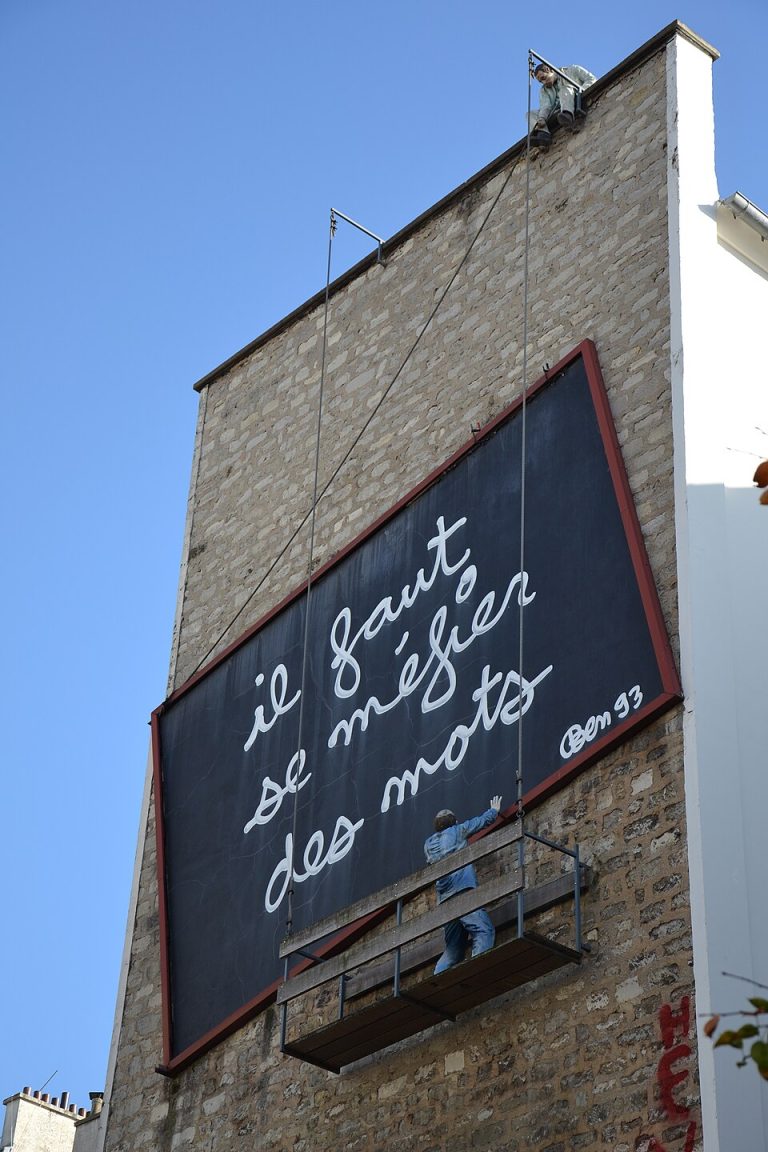
For several years, Inf’OGM has been working to monitor and decipher the words used by multinationals and legislators in discussions about GMOs, industrial property or the digitisation of living organisms. The choice of words is by no means insignificant, and naming a subject, a tool or elements of nature contributes to a good understanding of the issues at stake… or to maintaining confusion!