

News
Filter by year :

New genomic techniques (GMO/NGT)
At a “Seed Sector Meeting” in February 2026, the representative of the French Ministry of Agriculture defended the proposed deregulation of numerous GMOs. However, his remarks primarily revealed tensions, misunderstandings and disagreements within the French administration regarding the issue of patents… a subject that is nonetheless central to the future of plant breeding!
New genomic techniques (GMO/NGT)
On 21 April 2026, EU Member States voted in favour of deregulating GMOs/NGTs at the EU Foreign Affairs Council. The text is coming back now in the European Parliament’s court, with its Environment Committee due to meet on 5 May, ahead of a plenary session for discussions and votes by MEPs on 19 May 2026.

Mowing & more
Whilst the process of deregulating GMOs/NGTs is continuing within the European institutions, opposition to it has been growing in recent weeks. These positions are being taken by a wide variety of stakeholders. Without claiming to be exhaustive, Inf’OGM offers an overview of the main statements published recently.
Digital sequence information (DSI)
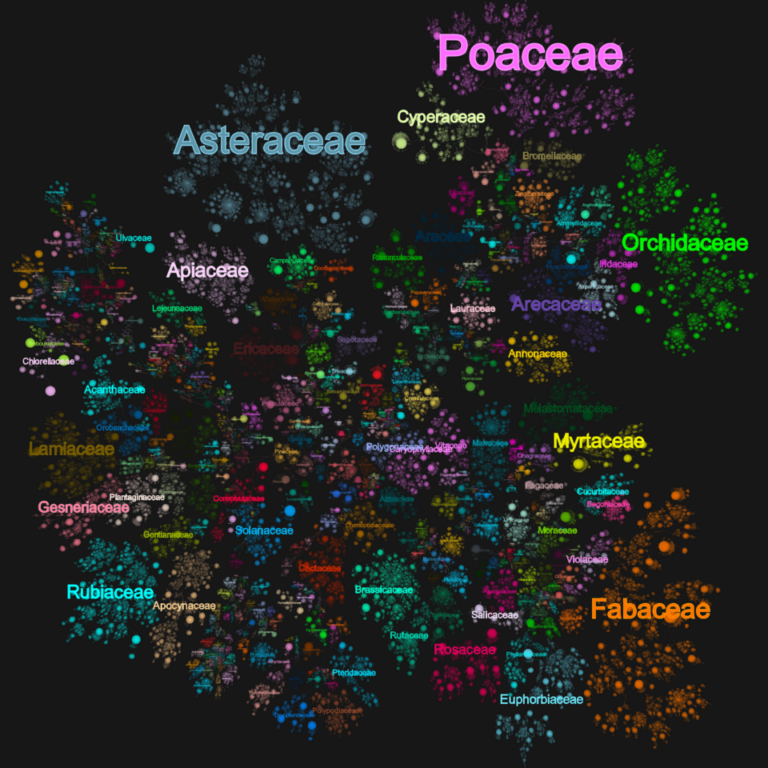
Digital sequence information (DSI) has long been a source of tension between countries in the “Global North” and the ”Global South”. The latter provides the majority of the physical genetic resources containing this DSI, whilst the North, thanks to its bioinformatics capabilities, carries out most of the exploitation and financial capitalisation of this information. Thus, by linking biological functions to digitised genetic sequences, the North files numerous patent applications and captures the lion’s share of the profits, in violation of international conventions and treaties. In an attempt to legalise this new form of biopiracy, a pledge to share these benefits equitably – the Cali Fund – was formalised in 2024. It remains, however, ineffective, failing to address a major injustice.
Digital sequence information (DSI)
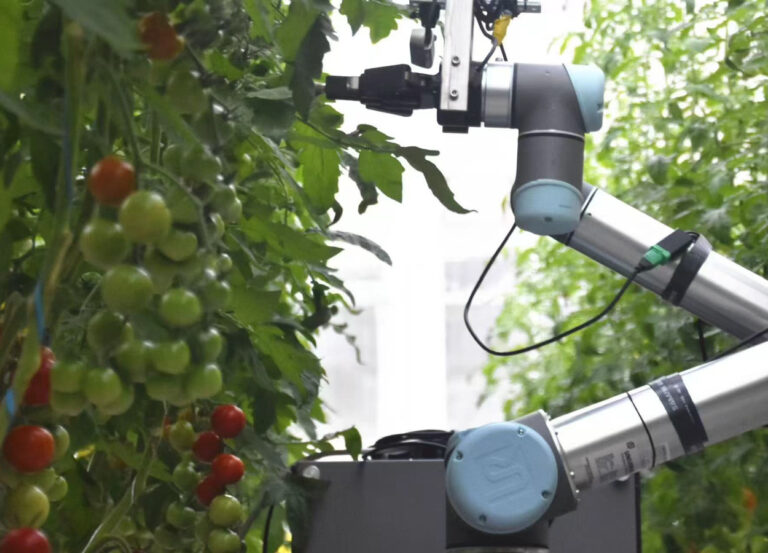
Agritech is the convergence of genetics, robotics and digital technology. The tomato we’re about to discuss could serve as a symbol of this: it has been genetically modified to be more easily pollinated by a robot, which is itself controlled by a network of connected computers, commonly referred to as “artificial intelligence” (“AI”). This “innovation” is, above all, an illustration of the current headlong rush toward technology.
Analysis / Detection
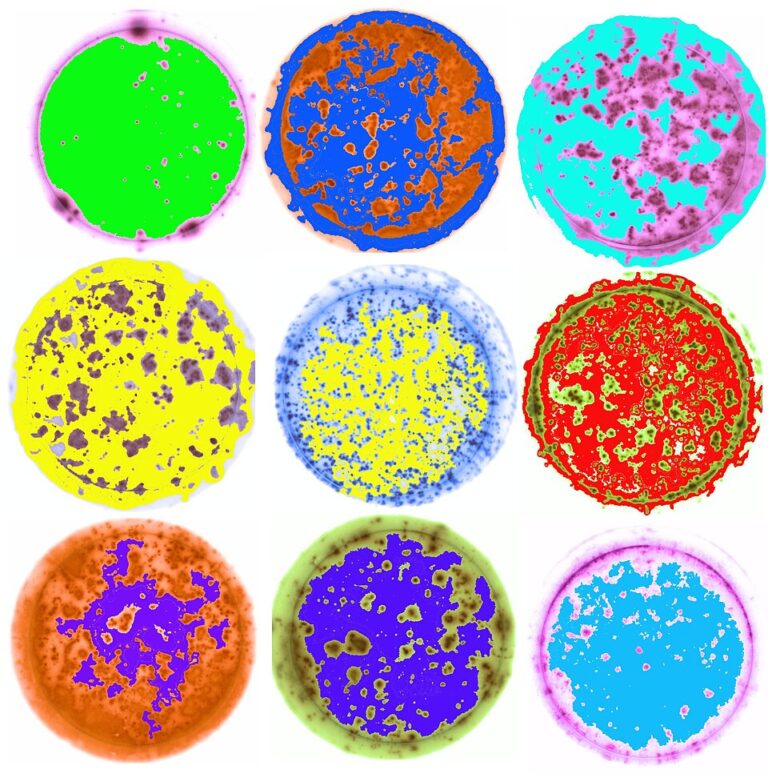
If the European Commission manages to convince the European Council and Parliament to accept its legislative proposal, many GMOs could be deregulated in Europe. Since the 2010s, it has been argued that these GMOs produced using new techniques (GMOs/NGTs) cannot be distinguished from organisms that have arisen naturally or through conventional breeding. Yet, in 2020, France explained in detail how to make this differentiation technically possible. A fact that the French government seems to have forgotten since…
Risk assessment
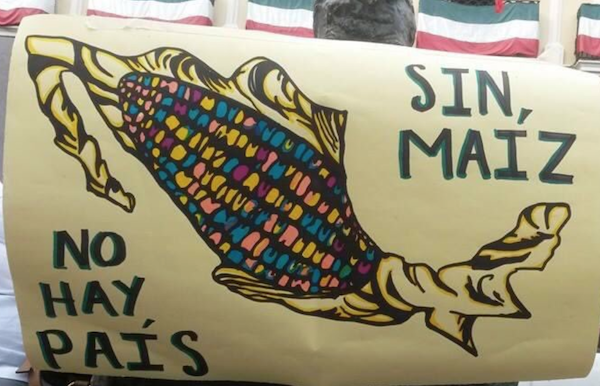
Although it went largely unnoticed by the media, a victory was secured in Mexico on 17 March 2025 by indigenous peoples and certain scientists: a ban on the cultivation of GM maize was enshrined in the national Constitution. More recently, on 21 January 2026, another milestone victory was achieved by those campaigning against the risks posed by GM maize imported from the United States. But what is this maize, and what risks does it pose?
Analysis / Detection
Prior to 2018, some Member States had decided not to submit certain applications for trials authorisation of GMOs obtained through new techniques (GMOs/NGTs) to the GMO legislation. However, in 2018, a ruling by the Court of Justice of the European Union (CJEU) clarified that these GMOs must indeed be treated as regulated GMOs. According to a 2021 report by the European Commission, these cases of wrongfully deregulated GMOs have been rectified, and the trials in question have been cancelled or brought into compliance with regulations. These cases suggest that regulating such GMOs is indeed feasible.

Law
Brevetabilité
In the field of life sciences, the scope of a patent depends not only on the invention described, but also on the way it is claimed and the legal framework governing its protection. Drafting strategy, functional claims, homology percentages… these are all tools that can considerably broaden the scope of the initial “invention”. In the context of genetic sequences and digital data associated with living organisms, these mechanisms are now of particular importance.