

News
Filter by year :
Development of resistance
In Spain, the public agronomy institute Irta regularly carries out evaluations of several varieties of rapeseed. Recently, they introduced into their evaluation some Clearfield rapeseed varieties, herbicide tolerant varieties modified via in vitro mutagenesis. Result: these GMOs, grown commercially in Europe outside the legal framework, do not have better yields than their conventional counterparts.
Innovation
For the past fifteen years, governments have been discussing “synthetic biology” on an international level. If to date, an “operational” definition exists, the outlines of this field remain hard to draw. Are talks of “synthetic biology” simply a change of semantics, or a genuinely new frontier of the biotechnology field? For the moment, examples of organisms or molecules obtained by synthetic biology are accumulating: unnatural proteins, GMO plants, GMO bacteria, recreated viruses, modification of living organisms directly in the environment, GMO insects, xenobacteria…
Innovation
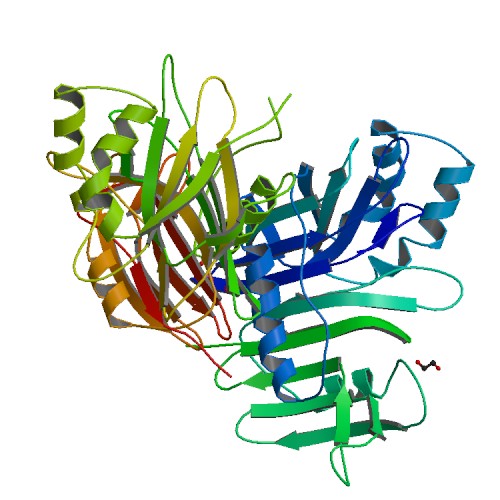
In a recent article, researchers detail several ongoing projects for the genetic modification of viruses. Some of these could be deliberately released into the environment. On February 7, 2024, the European Parliament asked the European Commission to study the potential deregulation of these GMO viruses. A general overview of those projects seems therefore necessary.

In January 2024, two Danish industrial giants of the microorganisms merged and Novonesis was born. This company sells “biosolutions” for all industrial and agricultural areas. “Bio” for biotechnological… and not biological, as it prefers to emphasize. This company uses microorganisms, often genetically modified, to make them produce enzymes.
Authorization
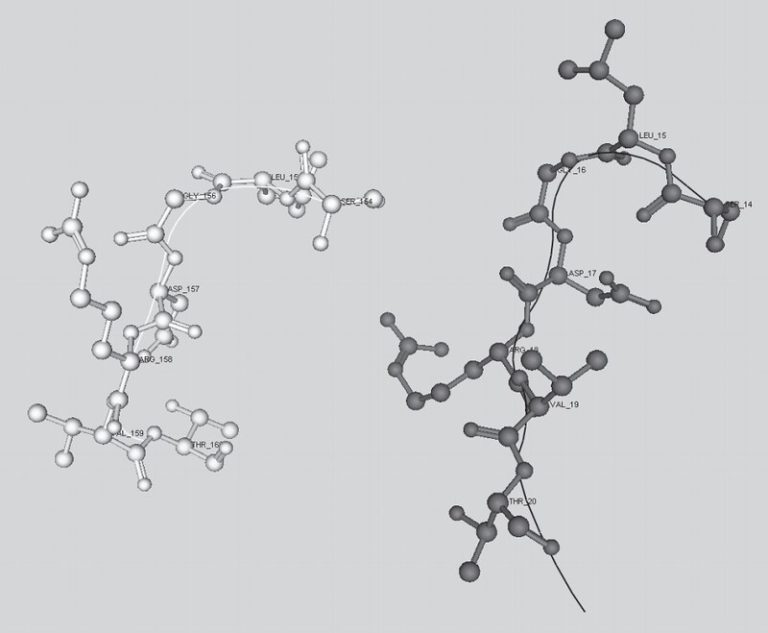
Toulouse-based Micropep Technologies has just had one of its fungicidal micropeptides approved in the United States. The technology, developed and patented by this CNRS spin-off, is aiming for European approval by 2030. However, these micropeptides are raising questions about their potential impact on ecosystems.
Law
Ethic
During the parliamentary work on the proposal for a European regulation on plant reproductive material, known as the “seeds regulation”, a question arose: should so-called “non-targeted mutagenesis” be considered as an “essentially biological process”? As these processes are excluded from patentability, the question may seem important. But such a decision would not be without consequences for the regulation of GMOs.

New genomic techniques (GMO/NGT)
The European Commission’s proposal to deregulate GMOs made in 2023 will not have come to an end before the European elections, as its promoters had hoped. However, beside the fact that this proposal is not the only file concerning GMOs, the forthcoming period of suspension of European parliamentary work could be used for bilateral discussions.

Contamination
Inf’OGM interviewed a Dutch seed company that has developed a cold-resistant “organic” maize and that feels threatened by KWS patents. She tells us the story of her company Nordic Maize breeding, of her certified organic maize, of its likely future contamination by GMOs/NGTs…
Analysis / Detection
When it comes to GMOs, french retailers say they are guided by two main principles: the application of the precautionary principle, and the traceability and consumer information. In France, this stakeholder in the agri-food sector has reservations, to say the least, about the proposed deregulation of GMOs. In June 2023, at the invitation of Anses experts, the french trade and retailing federation (Fédération du Commerce et de la Distribution), currently chaired by the CEO of Carrefour, shared its thoughts.