

News
Filter by year :

Journal
New genomic techniques (GMO/NGT)
Many States currently reflect on the legal status of GMOs resulting from new genetic modification techniques, and some have already decided. It is not easy to give an exhaustive picture of all the positions and legislation adopted : it is sometimes difficult to have access to national legislation, national positions may be unclear at this stage, […]
Journal
Historically, the protection of living organisms through patents has been developed in the United States and Europe. Abandoning a then conservative position, the US Supreme Court validated a patent on a genetically modified (GM) bacterium in 1980 [1]. This institution defined the micro-organism as a « composition of matter », opening up the field of patentability of living […]

Analysis / Detection
In April 2022, MEPs (Member of the European Parliament) organised a webinar on “ Detection and traceability of new genomic techniques for GMOs ”, concerned by the European Commission’s inertia. The invited scientists reaffirmed that they have been possible for a long time. The Director of the Joint Research Centre (JRC), the European Commission’s scientific […]

Economy
Crispr
To modify genomes, new techniques of genetic modification are increasingly available. The Crispr/Cas9 system, mentioned on several occasions by Inf’OGM, is today by far the most widely used. Although this technique is less expensive, the patent law means that it does not lead to a diversification of the economic actors… The global seed market is […]
Mutagenesis
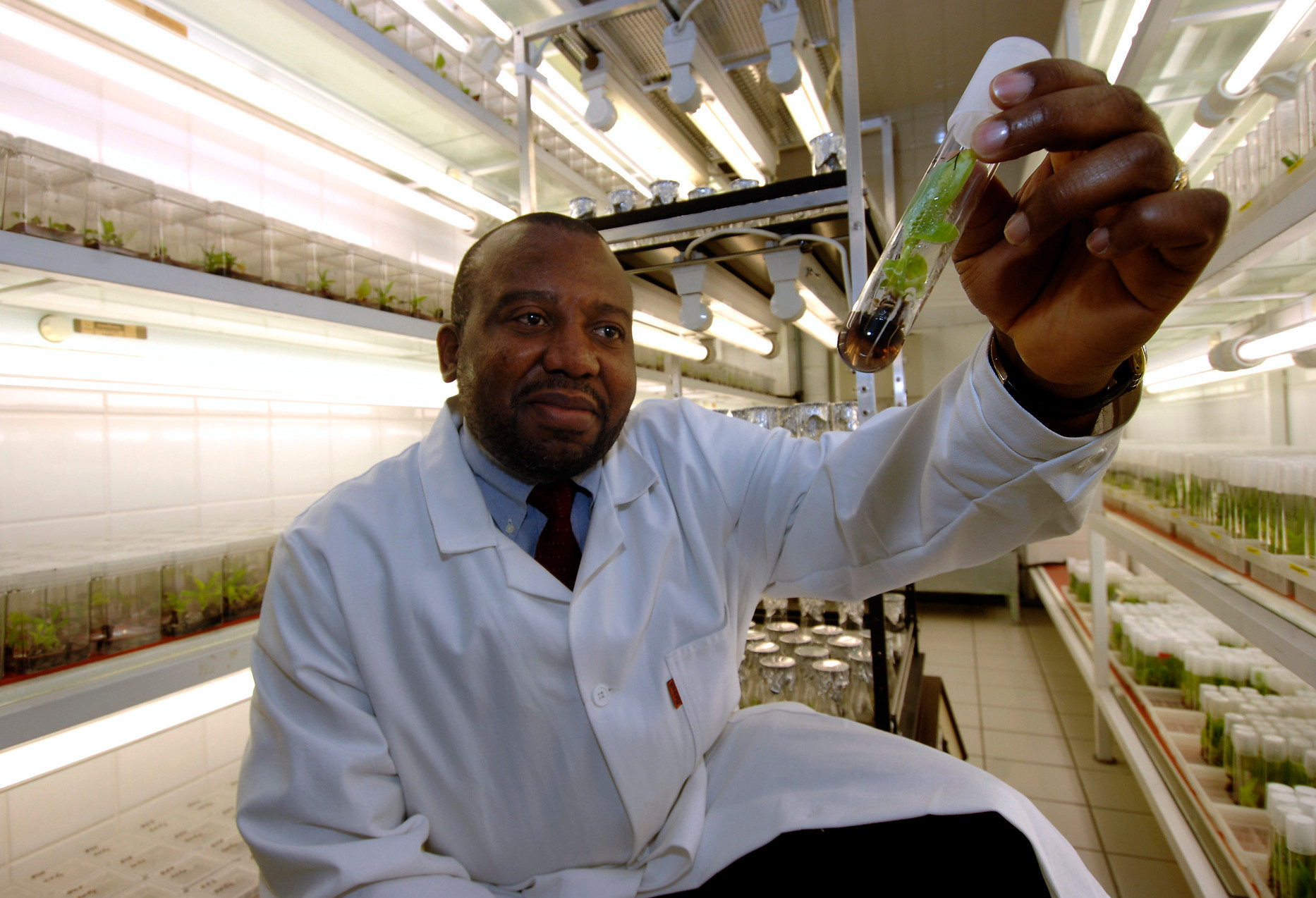
Since 2020, the European Commission has been arguing that mutagenesis carried out on cells isolated and propagated in vitro is exempt from the requirements of the GMO legislation. This position offers an open door for companies to commercialize patented plants without declaring them as GMOs. However, in 1992, the European Commission did not consider this […]

non transgenic GMO
A minority of the world’s economically powerful states have decided to relax the rules for GMOs produced by new genetic modification techniques. Others have explicitly decided that these GMOs must be subject to GMO regulation. This is the case of New Zealand and South Africa. However, the decisions taken by these two countries are facing […]
Health
Sciences
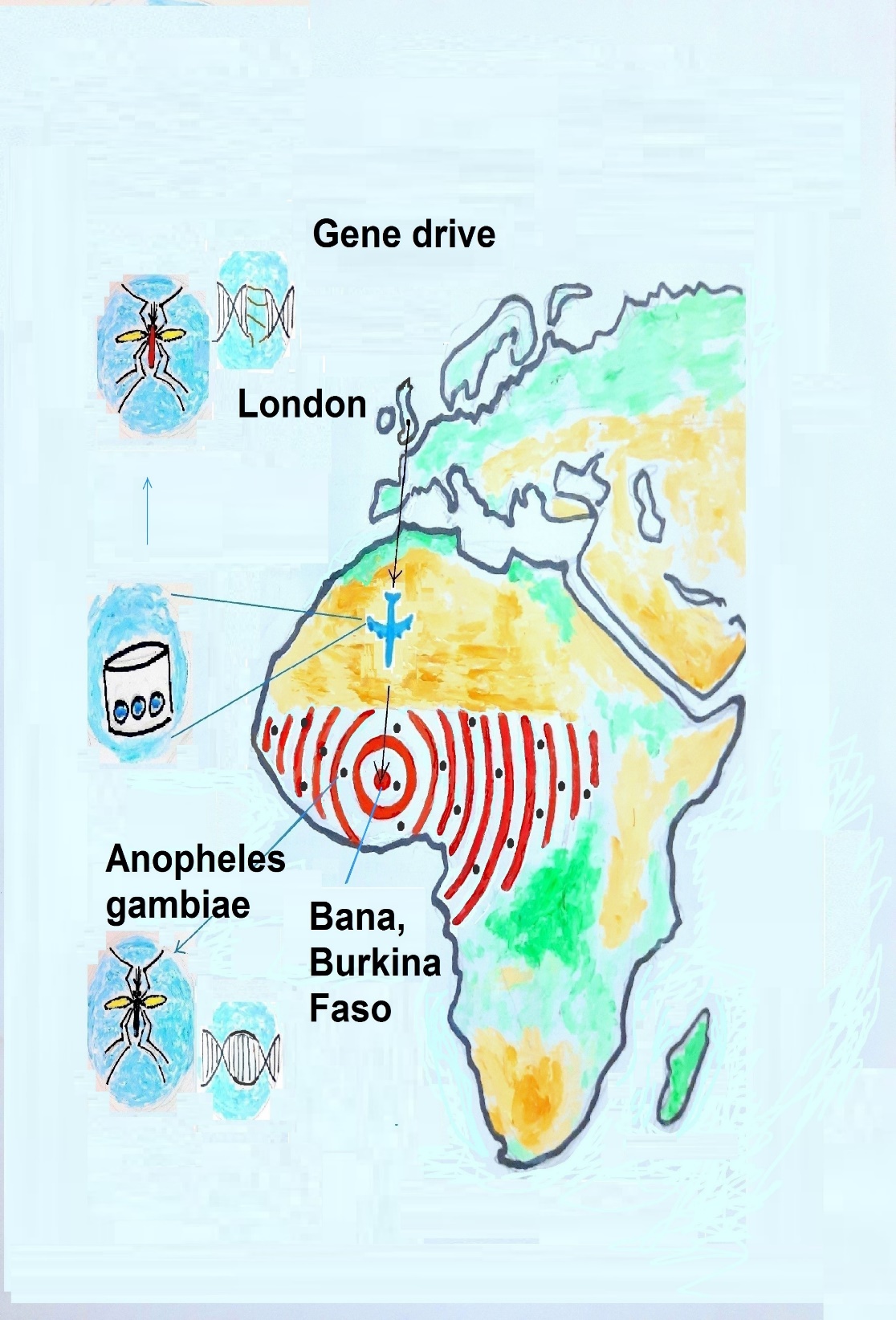
In July 2021, the National Biosafety Agency (ANB) of Burkina Faso authorized Target Malaria, a project that fights against malaria, to import transgenic mosquito eggs. A first release took place in 2019, in the locality of Bana. This article intends to show the numerous regulatory irregularities of the project first phase. On October 21, 2021, […]
Economy
Biopiracy
Since the end of 2020, the World Trade Organisation has been debating about a possible legislation on the circulation of electronic data. These talks, which are taking place within the framework of broader negotiations on e-commerce, will have a direct impact on the issue of the living’s digitalization. To understand what is at stake, Inf’OGM […]
Journal
For the time being, digital sequence information allows certain stakeholders, including companies, to use digitalized sequences without needing the prior consent of the states and communities connected with this biodiversity. Discussions are underway in order to regulate – or not – practices which contravene the Convention on Biological Diversity. Countries allowing free access to the […]