

News
Filter by year :
Law
Brevetabilité
A patent confers the right to prevent third parties from exploiting an invention. Whilst historically it applied to specific technical objects and/or the processes for obtaining them, its extension to living organisms – and subsequently to genetic information – has transformed its scope. Between the broadening of claims, mechanisms for extending protection and growing legal uncertainties, patents now represent a threat from the biotechnology industry to fundamental economic and societal issues, particularly food sovereignty.
New genomic techniques (GMO/NGT)
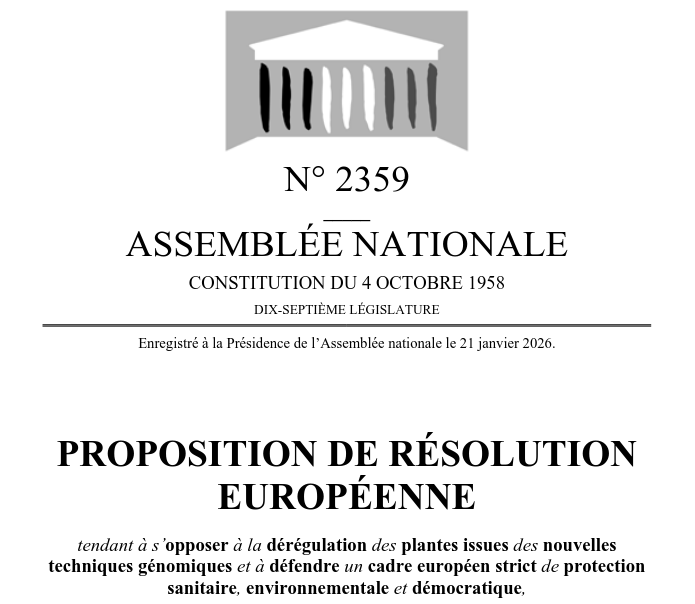
Following the approval by European Union member states, including France, of the draft text on the deregulation of GMOs derived from new genomic techniques (GMOs/NGTs), French MPs tabled a motion for a resolution on 21 January 2026. This motion for a resolution calls on the government to oppose the European text.

Crispr
A dispute over patent rights to Crispr/Cas9 has been ongoing for several years between its main discoverers, universities and research institutes. To date, the outcome of this dispute and its impact on the Crispr/Cas9 economy remain unpredictable. Added to this is an ongoing dispute over Crispr applications between the parties to the main dispute and companies. Despite this, the widespread use of this tool for modifying living organisms, and the associated health, environmental and socio-economic consequences, seem inevitable.
Law
New genomic techniques (GMO/NGT)
On 19 December 2025, EU Member States declared themselves in favour of deregulating GMOs derived from new genomic techniques (GMOs/NGTs). After a brief passage through the European Parliament’s Environment Committee, this text must now be formally adopted by the Council of the European Union. If this is the case, it will be up to the European Parliament to vote on the text. 18 French organisations are taking this opportunity to send an open letter to MEPs calling on them to “defend the founding values, principles and treaties of the European Union, as well as the position adopted by the European Parliament in February 2024”. Other European organisations are encouraging European citizens to contact MEPs directly.
Pesticide
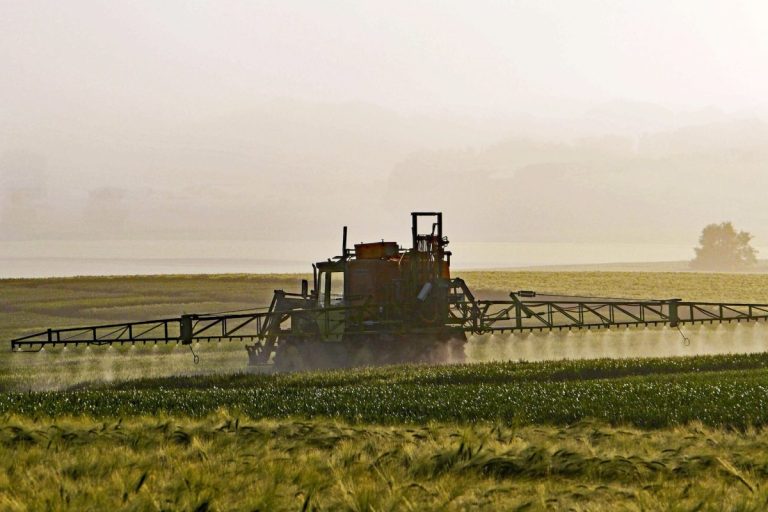
A report by ANSES, published last April, proposes to increase vigilance regarding the use of nanopesticides. These nanometric molecules are highly volatile, which considerably increases their potential for dissemination and contamination, as well as their potential toxic effects on the body. The problem is that not only is their sale unregulated in Europe, but the regulations do not provide for their detection.

Environment
Authorization
In a recent proposal for regulations claiming to “strengthen the biotechnology and biomanufacturing sectors”, the European Commission wants to see these sectors governed by a policy that “balance innovation with safety, equity and environmental protection”. However, the text mainly aims to promote industrial competitiveness and attractiveness to investors. It provides for faster authorisation procedures for “biotechnology products”, a lighter regulatory framework and prioritisation of so-called “strategic” projects in order to reduce time to market.
Health
Authorization
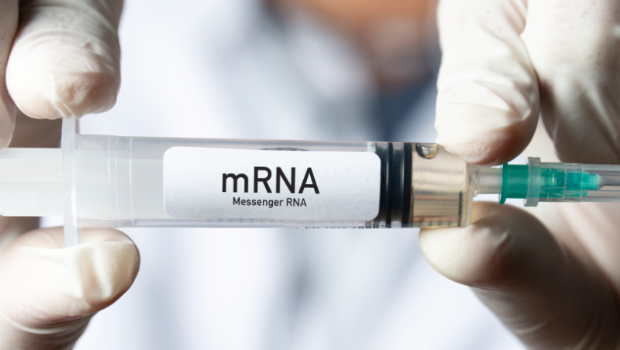
At the end of November 2025, the New England Journal of Medicine published an article on a clinical trial of a messenger RNA vaccine against seasonal influenza. The article was written by researchers working for Pfizer, the company that developed the vaccine. Pfizer is keen to show that its vaccine is more effective than conventional vaccines. However, independent experts have pointed out major omissions and inconsistencies in the publication, which minimise or even call into question the trial’s conclusions.
Development of resistance
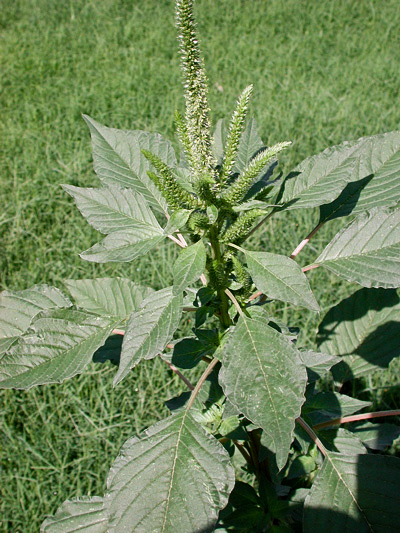
As soon as farmers began using herbicides on a large scale, weeds tolerant to these substances appeared. This is a simple biological phenomenon: living organisms are constantly adapting. The cultivation of genetically modified plants has accelerated this development of tolerance, which has significant agricultural and economic consequences. In France, a highly invasive weed known as Palmer amaranth, which is resistant to several types of herbicides, could soon take hold. This is the fear expressed by ANSES in a report published in December 2025.

Law
New genomic techniques (GMO/NGT)
Since July 2023, EU institutions have been engaged in discussions on the proposal to deregulate many GMOs. These discussions follow an established procedure of negotiations between the Council of the European Union, the European Parliament and the European Commission. Complex but logical, this procedure can sometimes confuse those who follow it. Inf’OGM helps you see things more clearly.