

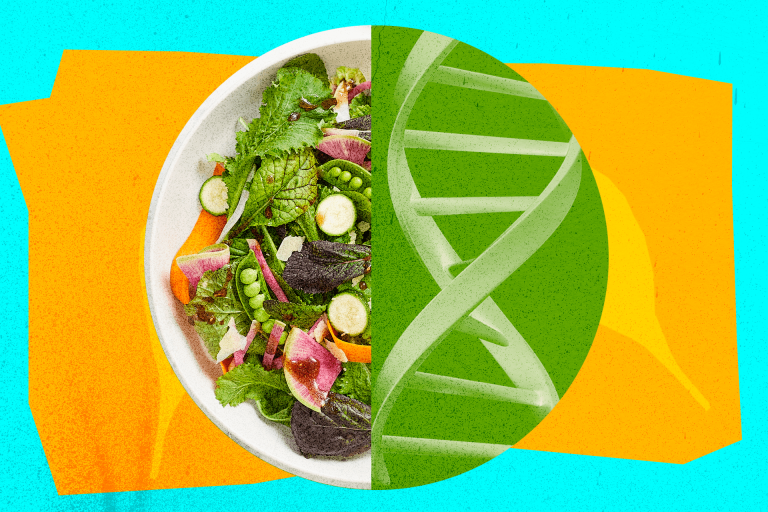
Pairwise shapes the food of the future with NGT
While the European Commission is attempting to deregulate new genome modification techniques (NGT), the US company Pairwise is multiplying its “partnerships” combining the Crispr/Cas tool and its Fulcrum platform. Concluded with both private and public players, these agreements anticipate the landscape following the potential deregulation of NGT. They will also influence the conditions for the dissemination of NGT and the arrival of “Pairwise-type” products on our plates.

Consumer associations call for continued labelling and traceability of GMOs
On 14 October 2025, eight consumer associations from various EU Member States published an opinion calling on European institutions to maintain GMO labelling to enable European consumers to make informed choices about their food.

When lexical confusion serves political purposes
Plants and fungi genetically modified using CRISPR or other “targeted mutagenesis” techniques, genetically modified organisms (GMOs) designated by the acronym “NGT” for “new genomic techniques”… These various expressions are used in speech and writing by many legislators and scientists, even though they are inappropriate. But they are used for an explicit purpose: to obtain the deregulation of a very large number of GMOs by systematically removing the words “genetically modified”, which cause public mistrust.

GMO/NGT Regulation: civil society organisations concerned about the outcome of the trilogue
As the trilogue on the regulation of new genomic techniques (NGT) continues, civil society organisations are expressing their concerns about the outcome of the discussions, particularly on the issue of patents. This is evidenced by two recent position statements: those of the European Coordination Via Campesina (ECVC) and Arche Noah, which illustrate their mobilisation around this crucial debate at a key moment when European decisions are being made.

The European Commission is more attentive to biotech companies than to citizens
In early August, the European Commission launched a multilingual online public consultation on its forthcoming “Biotechnology Regulation”. Presented as an exercise in transparency and citizen participation, the questionnaire is in fact primarily designed to gather the industry’s position. In particular, it does not address the ethical and civic dimensions raised by new genome editing techniques (NGTs), such as health risks, the appropriation of living organisms by industry, or the management of health data. This regulation could offer the Commission and multinationals a way out if current or past negotiations on other legislative acts fail to achieve their objectives.

Soon genetically modified cocoa?
On August 6, 2025, the agri-food group Mars acquired a license to use CRISPR tools from the biotech company Pairwise with the aim of developing genetically modified cocoa trees. If this partnership between the biotech and agri-food worlds is worth looking into, it is because it concerns the world leader in chocolate products, which has been interested in the issue for several years now.

The scientific lobby joins the trilogue on the deregulation of GMOs/NGTs
As the European Union attempts to move forward with its trilogue on the deregulation of plant GMOs derived from new techniques (NGT), the French Association for Plant Biotechnology (AFBV) and its German counterpart (WGG) are stepping up to the plate. In a joint statement, they highlight the disagreements between the European Parliament and the Council, while arguing, on the basis of what they claim to be “scientific” arguments, for the deregulation of these GMOs, to the benefit of the biotech sector.
Only three GMOs/NGTs are cultivated
At first glance, this finding may seem surprising. Only three GMOs obtained through new techniques of genetic modification are currently being cultivated and their harvest commercialised. The many promises of their benefits for health, the environment, and “competitiveness”, as well as the argument that they are already deregulated in many countries around the world, would suggest that these “miracle” products would have been more widely adopted. Clearly, this is not the case.
Some European laboratories call for traceability of GMOs/NGTs
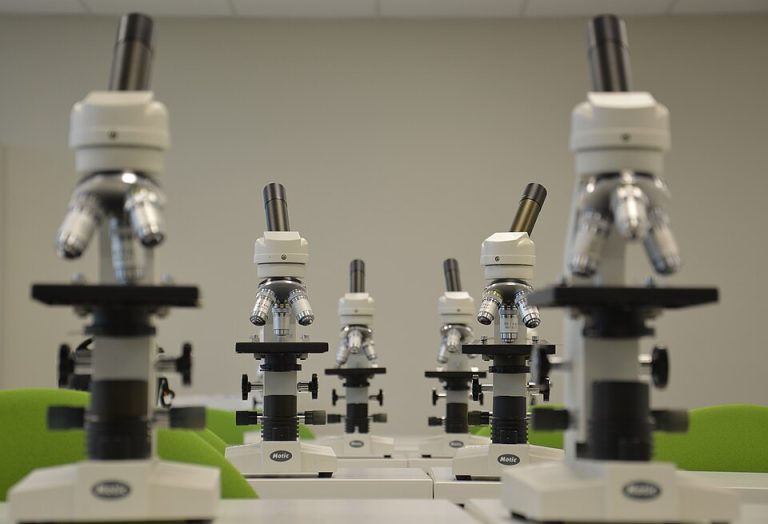
The need to be able to detect and identify GMOs obtained through new genetic modification techniques is a request that is being made more and more frequently. Following in the footsteps of associations, farmers’ unions, organic and non-GMO producers and processors, as well as supermarkets, it is now the turn of some laboratories specializing in analyses to make such a demand. At a time when European legislators are discussing the possible complete deregulation of such GMOs, these positions could carry more and more weight.
A showcase for “new genomic techniques” in Europe
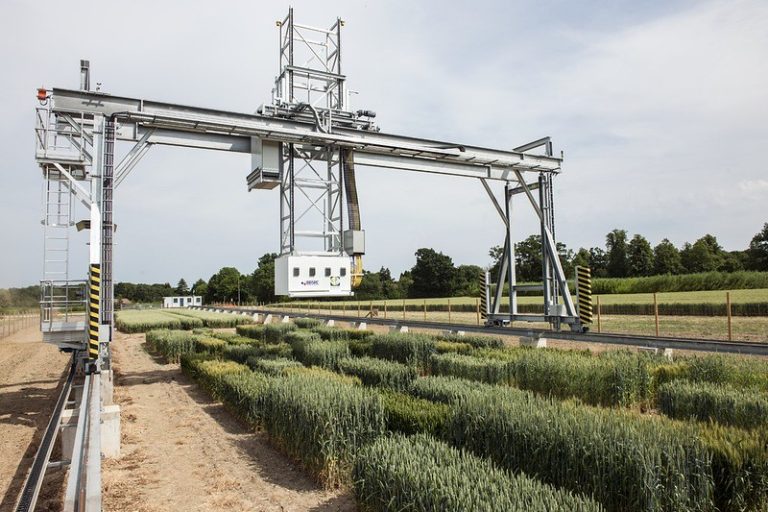
In an article published in April 2025, Euronews highlights “new genomic techniques” using the example of a wheat genetically modified by Crispr/Cas9 in the UK. This wheat, developed by a team of biologists from Rothamsted Research at the University of Bristol, has been tested in a field north of London since October 2021. Although this trial is being carried out without any environmental, agricultural or health precautions, it does provide a good showcase for potential investors.

When algorithms decide on the genetic modification of living organisms
For many years now, multinationals have been collecting an increasing amount of genetic, proteic sequences and epigenetic informations. They are reducing living organisms to data compiled in digital databases. Using “artificial intelligence” algorithms, they claim to have the tools to determine which genetic modifications will produce a given new characteristic. In a society where genetic modification techniques and patents are intimately linked, these algorithms will above all accelerate the claim to own living organisms.
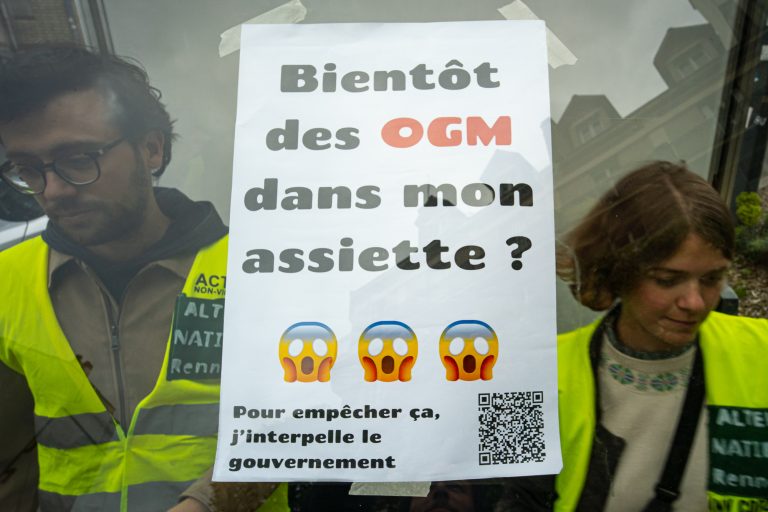
French organisations concerned about GMO deregulation
As the trialogue on the proposed deregulation of GMOs got underway on 6 May between the European Commission, the European Parliament and the Council of Member States of the European Union, French organisations are once again warning of the potential “serious and irreversible consequences of this text”.
Alternatiba Rennes, one of the signatories of this letter, has also taken action in the public arena.