


The United States do not exempt GMOs/NGTs
Unlike the European Union, in the United States, GMOs produced using new techniques of genetic modification (NGTs) are subject to federal legislation on GMOs. They may be subject to a risk assessment and, since 2018, to labelling and traceability requirements. Although the US administration sought to deregulate them in 2020, a court ruling in December 2024 cancelled this exemption.
The OECD highlights disparities in regulations on GMOs obtained by NGTs
The argument that the European Union must catch up with other countries by deregulating GMOs produced using new genetic modification techniques (GMOs/NGTs) is repeated ad nauseam by their proponents. However, at the end of 2025, an OECD report reviewed the legislation in force in some of the largest GMO-producing countries (Argentina, Brazil, Canada, the United States, etc.). And the least one can say is that the international legislative landscape is highly varied.
NGT and patents: the EU has chosen to ignore the US precedent
New genetic modification techniques (NGTs) are presented by their proponents as a mean of promoting innovation in seed production and broadening farmers’ choices. However, the US experience shows that deregulating GMOs is not enough to make them accessible to users. According to a 2023 report by the US Department of Agriculture, the significant increase in patent fees on GMOs is hindering access to seeds in general. Europe, which has just adopted its regulation on GMOs produced using NGTs, arguing that it is necessary to boost variety innovation, was nevertheless aware of this report on the situation in the US.
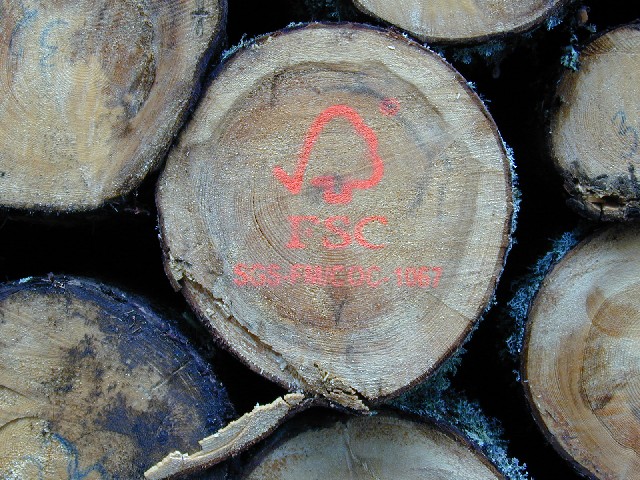
For the FSC label, trees derived from NGTs are GMOs that cannot be certified as “sustainable”
The Forest Stewardship Council (FSC), which certifies “sustainably” managed forests, held a public consultation on the interpretation of its definition of “genetically modified organism” (GMO)i – a definition adopted in 2000 and copied verbatim from the European definition in force since 1990. Currently, GMO tree plantations cannot obtain FSC certification. The consultation revealed conflicting views among the stakeholders (both members and non-members) who participated. However, among FSC members specifically, a narrow majority of respondents favored classifying trees derived from New Genomic Techniques (NGTs) as GMOs. Consequently, the FSC secretariat decided to keep trees genetically modified using NGTs within the GMO category, thereby maintaining the ban on their use in certified plantations.

NGT Regulation: is Europe heading for a rise in seed prices?
In June, the European Parliament adopted a regulation on new genetic modification techniques (NGTs). Contrary to the demands of several civil society organisations – notably farmers’ groups, but also MEPs – the text does not ban patents on products derived from these NGTs. However, experience in the US shows that the strengthening of intellectual property rights over seeds has been accompanied by a general rise in their prices – particularly those of genetically modified seeds – and by increased concentration within the sector. This trend could also occur in Europe and, in the long term, have an impact on food prices.
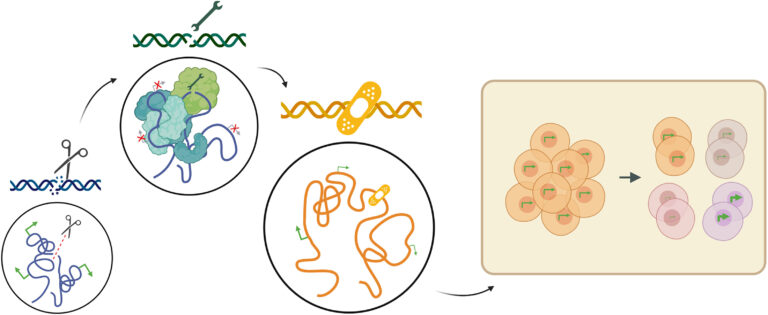
Off-target effects of NGTs: CRISPR/Cas “fatigues chromatin”
Touted as precise, simple and inexpensive, CRISPR/Cas is the flagship tool underpinning the promises made by GMOs derived from new genetic modification techniques (NGTs). Already at the centre of several controversies, CRISPR/Cas is once again making headlines. This time, it concerns the discovery of a new type of harmful effect.

The deregulation of the GMO/NGT adopted in Strasbourg
On Wednesday 17 June 2026, MEPs adopted the compromise text deregulating GMOs produced using new genetic modification techniques (GMO/NGT). This text, which is identical to that adopted by the Council of the EU on 21 April 2026, means that GMO/NGT will be able to be placed on the market in the EU without authorisation, without risk assessment, without labelling (except on seed lots) and without the publication of methods for detecting and identifying them. It will come into force in 2028.

Patents on GMOs/NGTs raise issues that the EU may refuse to address
In July 2023, alongside its proposal to deregulate new genetic modification techniques (NGTs), the European Commission promised an assessment of the impact of patents on plant breeding. The report, produced by Technopolis and published in December 2025, highlights several problems related to patents. These problems will not be resolved by the non-binding measures adopted by the Council of the European Union in April 2026. Do the European authorities really only listen to the voice of industry, even if it means ignoring the reports they commission?

Deregulation of GMOs: 93 organisations call to “protect farmers’, breeders’ and citizens’rights”
Following the European Council’s approval on 21 April of the text aimed at deregulating GMOs produced using new genetic modification techniques (GMOs/NGTs), it is now up to the European Parliament to vote on this text. Ahead of this vote, scheduled for mid-June, 93 European organisations have sent a joint letter to the members of the Parliament’s Environment Committee asking them to “protect farmers’, breeders’ and citizens’ rights”.

GMO/NGT: A memo from the French Embassy in the United States ignored by the government
In late April 2026, the French government supported the deregulation of GMOs produced using new techniques of genetic modification (GMO/NGT). A month earlier, however, the French Embassy in the United States had sent the government a memo detailing the situation in that country. Despite more than 140 marketing authorisations, only a few GMO/NGT are actually on the market there… but with significant patent-related issues. The situation described bears no resemblance to the promises made by multinational corporations or the European Commission.

German MEPs from the EPP raise concerns over patents
As the European Parliament’s plenary vote on the deregulation of GMOs produced by new genetic modification techniques (GMOs/NGTs) approaches, the issue of patents remains a key point of contention. Against this backdrop, the German delegation of the European People’s Party (EPP) has called on the European Commission. It is asking the Commission to show willingness to review Directive 98/44 on “biotechnological inventions” to ensure free access to genetic resources and prevent them from being controlled by major seed companies.

The French Ministry of Agriculture concedes a compromise on patents in the GMO/NGT regulations
At a “Seed Sector Meeting” in February 2026, the representative of the French Ministry of Agriculture defended the proposed deregulation of numerous GMOs. However, his remarks primarily revealed tensions, misunderstandings and disagreements within the French administration regarding the issue of patents… a subject that is nonetheless central to the future of plant breeding!