

News
Filter by year :
Law
Biodiversité cultivée
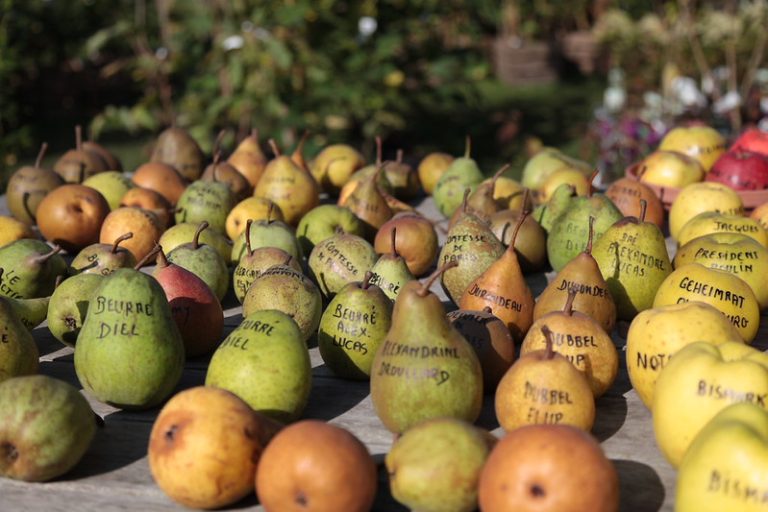
On 10 December 2025, the Council of the European Union approved a mandate to begin negotiations with the European Parliament on a new seed regulation. Many civil society organisations have criticised the draft regulation for failing to protect small and medium-sized breeders, seed producers and farmers. They are calling for a diverse seed market, the implementation of farmers’ rights to seeds and guaranteed access to varieties suited to their farming systems.

It is with deep sadness that we learned of the passing of Arnaud Apoteker on Friday, 9 January 2026. Arnaud was a very important figure in the history of Inf’OGM. Founding member, he remained on the Board until 2025.
Health
Field trial
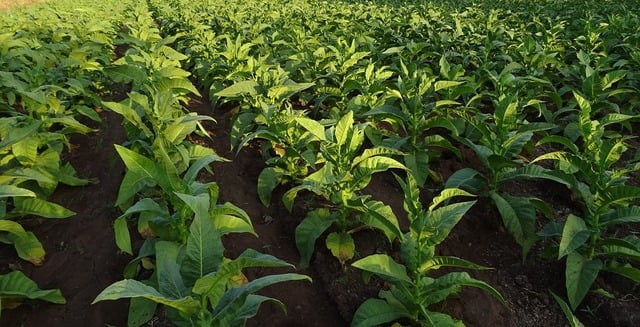
Near Valencia (Spain), in Polinyà del Xúquer, a trial of genetically modified tobacco to produce a molecule of therapeutic interest has been authorised. This tobacco has been modified using genetic modification techniques presented as new (NGT). The two partners in charge of the trial, the company MadeInPlant and the agricultural union AVA, declared the trial in December 2024, in accordance with Directive 2001/18 governing GMOs, even though they claim that this tobacco is not a GMO but an NTG plant.
Gene drive
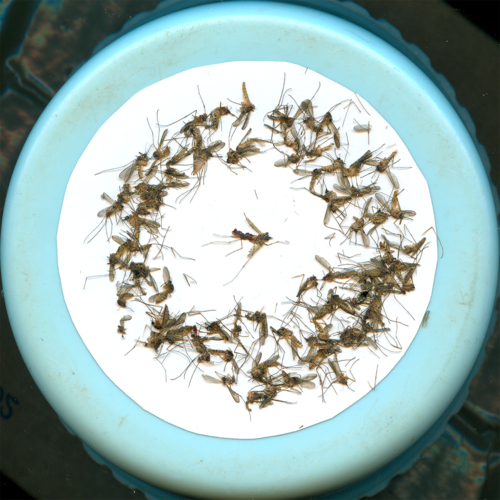
In September 2025, the French Academy of Sciences published a summary of the risks it identified as being associated with gene drive. This technique, which emerged around ten years ago, presents a variety of potential dangers and is uncontrollable. As a result, it has not yet been deployed in the wild. However, the current context is very conducive to its development and the precautionary principle is under threat.

New genomic techniques (GMO/NGT)
On Friday 19 December, the Member States meeting within the Council of the European Union reached a qualified majority agreement on a text to deregulate many GMOs. This text, negotiated two weeks earlier between representatives of the European Commission, the European Parliament and the Council, proposing broad deregulation of GMOs obtained through new techniques of genetic modification, has finally convinced a sufficient majority of States. The European Parliament is now due to consider it in January 2026.

Analysis / Detection
In 2025, the European network of GMO laboratories (ENGL) published a report written by several of its experts on the detection and identification of genetically modified microorganisms using new techniques in the food and feed industry. According to this report, the vast majority of these micro-organisms are detectable and identifiable. However, “in somecases”, with the processes currently available, very small genetic modifications can be more complicated, or even impossible, to detect and differentiate from those that can occur without technical intervention on the genome.

New genomic techniques (GMO/NGT)
The proposal to deregulate some of the GMO plants made by the European Commission in July 2023 is based in particular on the assumption that new techniques of genetic modification can produce organisms with modifications that could also be obtained using so-called “conventional” methods. To make this claim, the European Commission uses a subtle but decisive semantic abuse in its proposal…
New genomic techniques (GMO/NGT)
While the European Commission is attempting to deregulate new genome modification techniques (NGT), the US company Pairwise is multiplying its “partnerships” combining the Crispr/Cas tool and its Fulcrum platform. Concluded with both private and public players, these agreements anticipate the landscape following the potential deregulation of NGT. They will also influence the conditions for the dissemination of NGT and the arrival of “Pairwise-type” products on our plates.
Economy
Innovation
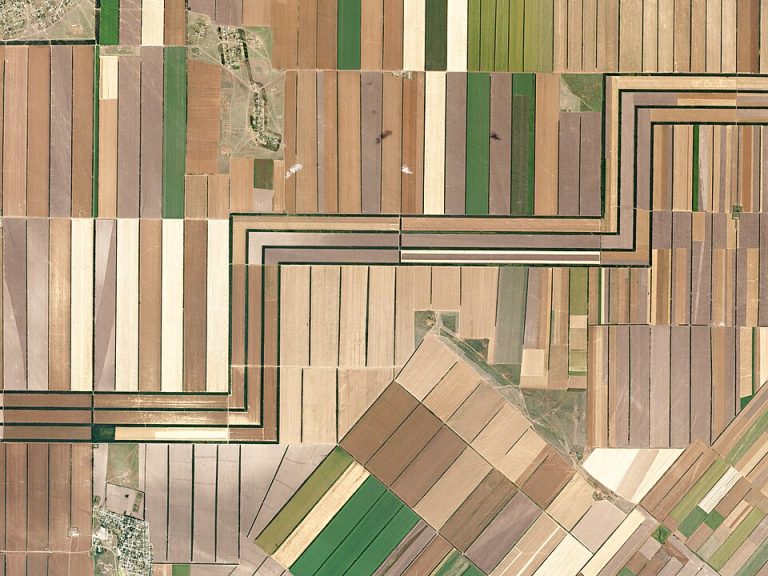
“How can we feed 10 billion people in 2050 with limited natural resources? To address this challenge, agritech start-ups are capitalising on the latest research findings to offer disruptive innovations and provide more efficient and environmentally friendly solutions” . This is how agritech is presented by BPI France, the French public investment bank. Once again, we see the famous promise to feed the world. To achieve this goal, we need to innovate, invest, digitise, robotise…