


Multinational companies want the DSI and the money from DSI
This autumn, governments, businesses, Indigenous communities and other representatives of civil society are to meet in Yerevan (Armenia) to discuss the protection of terrestrial and marine biodiversity. As more and more genetic components of this biodiversity are being digitised, multinational corporations want to seize the opportunity to exploit the benefit-sharing fund for the use of DSI, known as the “Cali Fund”. Their demands? To reduce the amount of the contributions and the ability of states to decide on national measures, and to widen the loopholes allowing them to bypass prior consent for the use of living organisms that make up biodiversity.

The Cali Fund: one year on, the promise is fading
Adopted at the COP16 on biodiversity in November 2024, the Cali Fund was officially launched on 25 February 2025. Its aim is to collect a share of the revenue generated by the use of digital sequence information (DSI), which is predominantly exploited by industries in the Global North and identified in biological resources that very often originate from the Global South. The fund’s promise is to ensure the sharing of benefits arising from the use of this DSI, which in particular fuels numerous patent applications. But one year after its launch, the fund remains largely ignored by the main users of DSI.
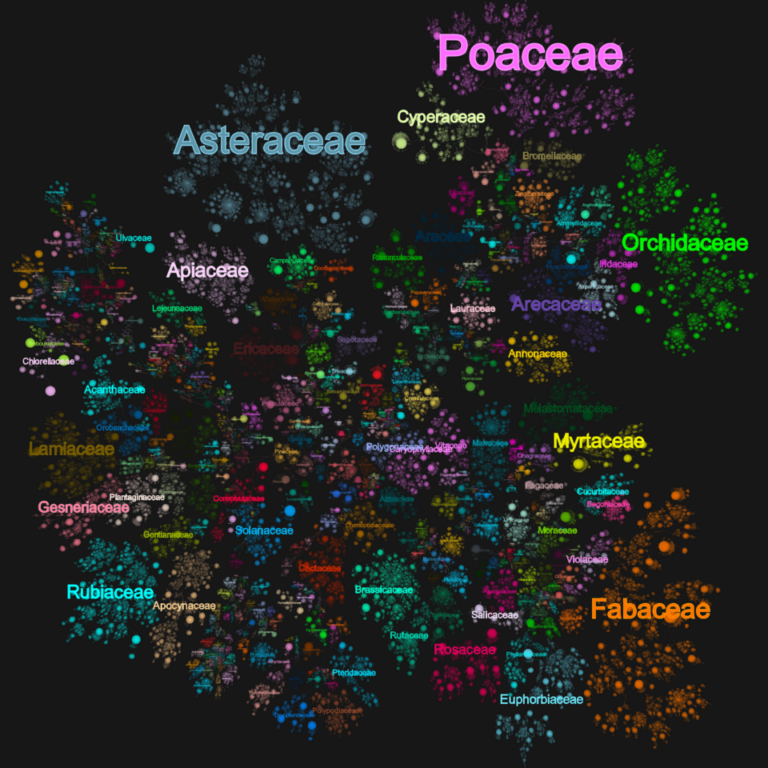
Digital sequence information: Appropriating life without touching it?
Digital sequence information (DSI) has long been a source of tension between countries in the “Global North” and the ”Global South”. The latter provides the majority of the physical genetic resources containing this DSI, whilst the North, thanks to its bioinformatics capabilities, carries out most of the exploitation and financial capitalisation of this information. Thus, by linking biological functions to digitised genetic sequences, the North files numerous patent applications and captures the lion’s share of the profits, in violation of international conventions and treaties. In an attempt to legalise this new form of biopiracy, a pledge to share these benefits equitably – the Cali Fund – was formalised in 2024. It remains, however, ineffective, failing to address a major injustice.
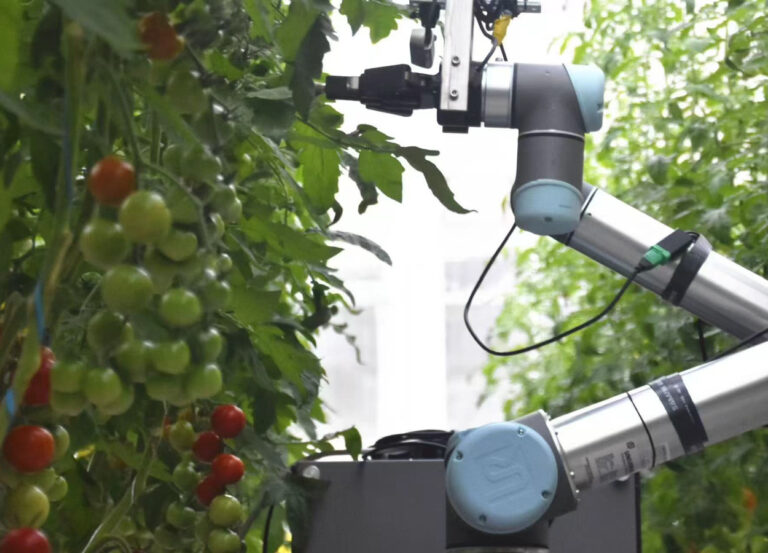
A robot to pollinate genetically modified tomatoes
Agritech is the convergence of genetics, robotics and digital technology. The tomato we’re about to discuss could serve as a symbol of this: it has been genetically modified to be more easily pollinated by a robot, which is itself controlled by a network of connected computers, commonly referred to as “artificial intelligence” (“AI”). This “innovation” is, above all, an illustration of the current headlong rush toward technology.
Seed Treaty’s MLS enhancement package risks legitimizing biopiracy and inequity
For some times now, the International Treaty on Plant Genetic Resources for Food and Agriculture is discussing an expansion of its scope to all plant genetic resources for food and agriculture. Many stakeholders and observers are fearing this would end up in legitimizing biopiracy. As the next meeting will occur in Lima (Peru) starting in November, the 24th, Inf’OGM publishes the analysis of Nithin Ramakrishnan, from Third World Network, one of the stakeholders of this meeting.
Deadlock on digital sequencing information within the ITPGRFA
New negotiations on digital sequencing information within the framework of the ITPGRFA are reigniting tensions between “developing” and “developed” countries. The latter are imposing guidelines that weaken the claims of the other side and strengthen their control over plant genetic resources. Their weapon? Maintaining “free access” to digital sequencing information and parallel and optional benefit sharing, as agreed by the Convention on Biological Diversity.
The ITPGR is working on a controversial reform
At the beginning of April, the Tirpaa again discussed the expansion of the list of crops covered by the multilateral system and the revision of the contract governing their use. While some Member States of the Treaty are invoking the need to guarantee global food security, fears are being voiced that there will be a drift in widespread access to peasant and traditional seeds. This would facilitate their patenting, without any real sharing of the benefits, to the detriment of the countries of the “South” and the rights of the peasants.
When algorithms decide on the genetic modification of living organisms
For many years now, multinationals have been collecting an increasing amount of genetic, proteic sequences and epigenetic informations. They are reducing living organisms to data compiled in digital databases. Using “artificial intelligence” algorithms, they claim to have the tools to determine which genetic modifications will produce a given new characteristic. In a society where genetic modification techniques and patents are intimately linked, these algorithms will above all accelerate the claim to own living organisms.

AI creates new legal challenges in the field of patentability
“Artificial intelligence” (AI) is used to extract and restructure information from raw or unstructured data. Companies are using it to identify phenotypic traits associated with genetic sequences. Referring to a recent patent application by the company Inari, the German NGO Testbiotech points out the risks associated with the combination of new genomic modification techniques (NGT) and AI. It condemns the possible abuses of patentability and the need for robust GMO regulations. However, Inari has already filed other similar applications, which raises questions about the legal impact of such rights and their adaptation to AI-driven technologies.
“Artificial intelligence” to digitize genomes
The digitization of living organisms is the subject of a growing number of projects. Computer data, generated and stored in ever-larger “data centers”, are used by “artificial intelligence” matrices. These data are of all kinds: genetic sequences, proteins, etc. In these fields, which require increasing natural resources, investments are multiplying.

Despite negotiations in 2024, disagreements over DSI persist
In 2024, digital sequence information (DSI) derived from genetic resources was at the heart of international negotiations. Discussions focused mainly on the sharing of the benefits generated by the industrial and commercial use of this DSI, and the mechanisms required to implement it. These developments could redefine governance and influence the future regulation of DSI, but persistent differences between countries are holding back progress.

The European Commission wants its “biotech revolution”
In March 2024, the European Commission announced measures aimed at driving what it called a “biotechnology revolution”, including a proposal for a “law” in 2025. This announcement came at a time when a number of legislative dossiers relating to biotechnology had already reached an impasse, such as the deregulation of plant GMOs. As Denmark, a fervent supporter of biotechnology, prepares to take over the Presidency of the Council of the EU from July 2025, is the Commission planning to bring everything together in a general “biotech law” to complicate political debates and force the issue through? The European Parliament has just taken up the issue on its own initiative.