


Deregulation of GMOs: 93 organisations call to “protect farmers’, breeders’ and citizens’rights”
Following the European Council’s approval on 21 April of the text aimed at deregulating GMOs produced using new genetic modification techniques (GMOs/NGTs), it is now up to the European Parliament to vote on this text. Ahead of this vote, scheduled for mid-June, 93 European organisations have sent a joint letter to the members of the Parliament’s Environment Committee asking them to “protect farmers’, breeders’ and citizens’ rights”.
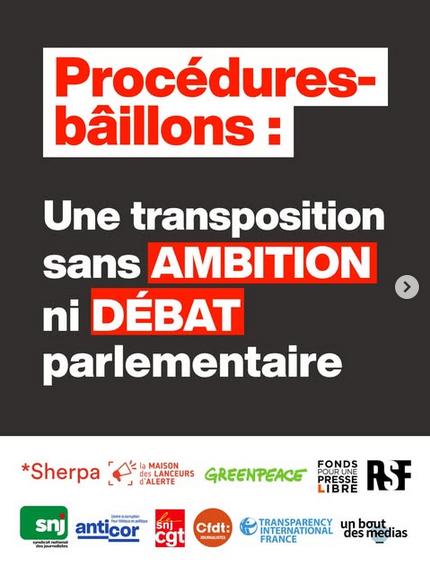
SLAPP: a transposition lacking ambition and parliamentary debate
ollowing the transposition into French law, at the end of April 2026, of the 2024 European Directive aimed at combating SLAPP (“strategic litigation against public participation”), Inf’OGM publishes here the press release dated 6 May 2026 issued by eleven organisations campaigning on this issue. Deploring “the lack of ambition in this text, drafted without consultation with civil society or parliamentary debate”, these eleven organisations had already published the opinion piece “SLAPP: just 35 days left to act” in the newspaper Le Monde on 31 March 2026, an opinion piece to which Inf’OGM and the Syndicat de la Presse pas pareille were signatories.

Europe set to approve a new mRNA vaccine for human use
In late February, the European Medicines Agency (EMA) recommended granting marketing authorisation for a vaccine marketed under the name mCombriax. This is an mRNA “vaccine” against COVID-19 and seasonal flu, developed by Moderna, intended for people aged 50 and over. This opinion will be forwarded to the European Commission, which could adopt the marketing authorisation decision. Given that mRNA technology is still in its infancy and has not yet really proven itself in the medical field, this favourable opinion is somewhat surprising.

German MEPs from the EPP raise concerns over patents
As the European Parliament’s plenary vote on the deregulation of GMOs produced by new genetic modification techniques (GMOs/NGTs) approaches, the issue of patents remains a key point of contention. Against this backdrop, the German delegation of the European People’s Party (EPP) has called on the European Commission. It is asking the Commission to show willingness to review Directive 98/44 on “biotechnological inventions” to ensure free access to genetic resources and prevent them from being controlled by major seed companies.
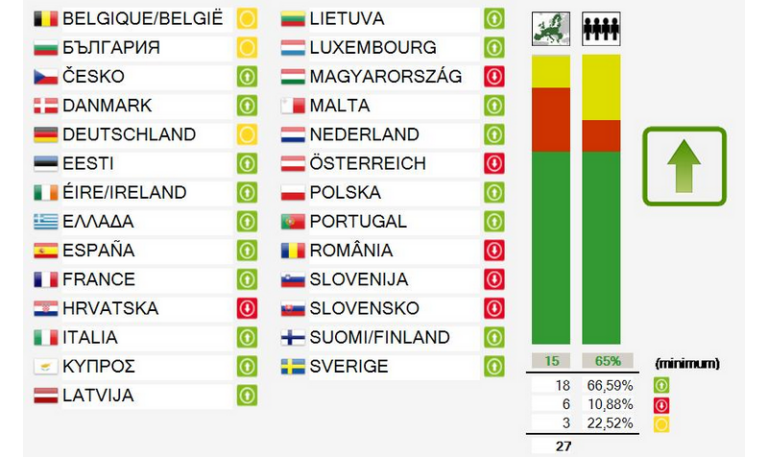
EU Council approves deregulation of GMOs/NGTs
On 21 April 2026, EU Member States voted in favour of deregulating GMOs/NGTs at the EU Foreign Affairs Council. The text is coming back now in the European Parliament’s court, with its Environment Committee due to meet on 5 May, ahead of a plenary session for discussions and votes by MEPs on 19 May 2026.
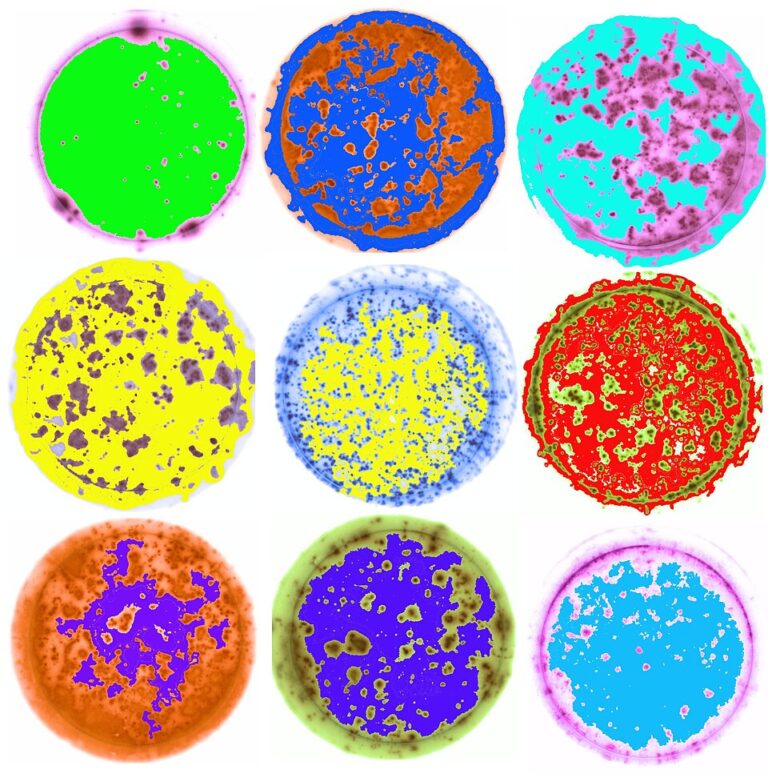
In 2020, France believed it was possible to distinguish GMOs/NGTs
If the European Commission manages to convince the European Council and Parliament to accept its legislative proposal, many GMOs could be deregulated in Europe. Since the 2010s, it has been argued that these GMOs produced using new techniques (GMOs/NGTs) cannot be distinguished from organisms that have arisen naturally or through conventional breeding. Yet, in 2020, France explained in detail how to make this differentiation technically possible. A fact that the French government seems to have forgotten since…
Since 2018, the EU has been able to regulate GMOs/NGTs
Prior to 2018, some Member States had decided not to submit certain applications for trials authorisation of GMOs obtained through new techniques (GMOs/NGTs) to the GMO legislation. However, in 2018, a ruling by the Court of Justice of the European Union (CJEU) clarified that these GMOs must indeed be treated as regulated GMOs. According to a 2021 report by the European Commission, these cases of wrongfully deregulated GMOs have been rectified, and the trials in question have been cancelled or brought into compliance with regulations. These cases suggest that regulating such GMOs is indeed feasible.

Patents on life: extension through language and law
In the field of life sciences, the scope of a patent depends not only on the invention described, but also on the way it is claimed and the legal framework governing its protection. Drafting strategy, functional claims, homology percentages… these are all tools that can considerably broaden the scope of the initial “invention”. In the context of genetic sequences and digital data associated with living organisms, these mechanisms are now of particular importance.
Patents, living organisms and GMOs/NGTs
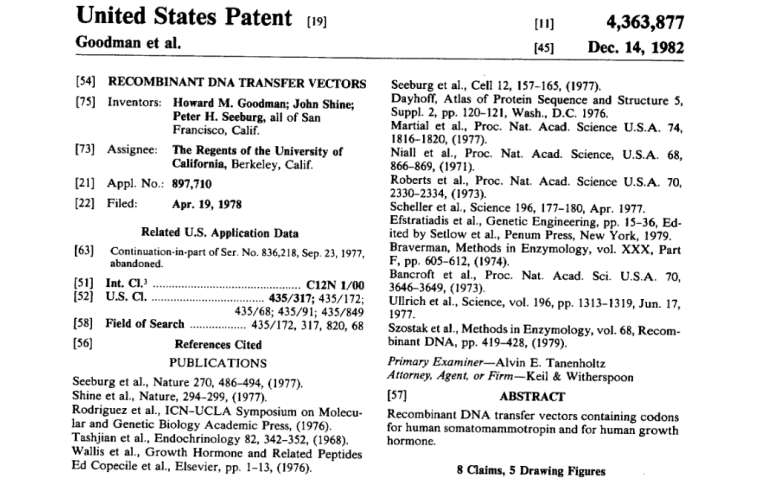
A patent confers the right to prevent third parties from exploiting an invention. Whilst historically it applied to specific technical objects and/or the processes for obtaining them, its extension to living organisms – and subsequently to genetic information – has transformed its scope. Between the broadening of claims, mechanisms for extending protection and growing legal uncertainties, patents now represent a threat from the biotechnology industry to fundamental economic and societal issues, particularly food sovereignty.
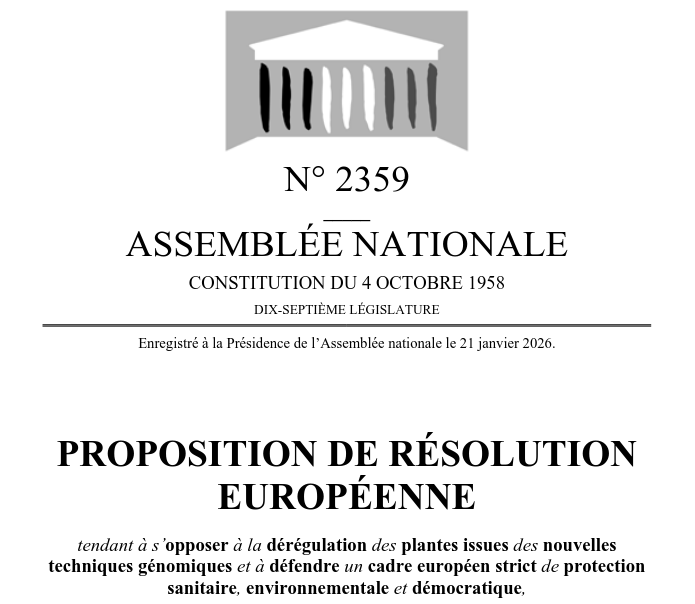
71 MPs urge the French government to reject the deregulation of GMOs derived from new genomic techniques
Following the approval by European Union member states, including France, of the draft text on the deregulation of GMOs derived from new genomic techniques (GMOs/NGTs), French MPs tabled a motion for a resolution on 21 January 2026. This motion for a resolution calls on the government to oppose the European text.

Crispr/Cas9 : from patent disputes to the widespread use of GMOs
A dispute over patent rights to Crispr/Cas9 has been ongoing for several years between its main discoverers, universities and research institutes. To date, the outcome of this dispute and its impact on the Crispr/Cas9 economy remain unpredictable. Added to this is an ongoing dispute over Crispr applications between the parties to the main dispute and companies. Despite this, the widespread use of this tool for modifying living organisms, and the associated health, environmental and socio-economic consequences, seem inevitable.
French organisations call on MEPs to reject GMO deregulation
On 19 December 2025, EU Member States declared themselves in favour of deregulating GMOs derived from new genomic techniques (GMOs/NGTs). After a brief passage through the European Parliament’s Environment Committee, this text must now be formally adopted by the Council of the European Union. If this is the case, it will be up to the European Parliament to vote on the text. 18 French organisations are taking this opportunity to send an open letter to MEPs calling on them to “defend the founding values, principles and treaties of the European Union, as well as the position adopted by the European Parliament in February 2024”. Other European organisations are encouraging European citizens to contact MEPs directly.