


The European Commission as absolute ruler over GMO and pesticide legislation?
The legislative texts concerning GMOs proposed by the European Commission aim to almost entirely remove the regulatory framework for GM plants and microorganisms. In addition to this deregulation, two new measures have been discreetly slipped in. The first, which is common to the pesticides dossier, would consist of authorising these products without any time limit. The second would give the European Commission full powers over future legislative changes.
The deregulation of GMO microorganisms is underway
A proposal for a directive made by the European Commission on 16 December 2025 calls on Member States and the European Parliament to deregulate the marketing of genetically modified bacteria, yeasts, viruses and other micro-organisms, including transgenics. According to the Commission, the aim would be to allow companies to market these GMO microorganisms (GMMs) under lighter or even no rules. This would involve an “adapted” health and environmental risk assessment, an end to traceability, an end to environmental monitoring… Following the plants, the deregulation of GMOs is therefore continuing, this time with microorganisms, with perhaps the animals next in line in 2026.
The majority of micro-organisms modified by NGTs are detectable
In 2025, the European network of GMO laboratories (ENGL) published a report written by several of its experts on the detection and identification of genetically modified microorganisms using new techniques in the food and feed industry. According to this report, the vast majority of these micro-organisms are detectable and identifiable. However, “in somecases”, with the processes currently available, very small genetic modifications can be more complicated, or even impossible, to detect and differentiate from those that can occur without technical intervention on the genome.

More words, always words…
For several years, Inf’OGM has been working to monitor and decipher the words used by multinationals and legislators in discussions about GMOs, industrial property or the digitisation of living organisms. The choice of words is by no means insignificant, and naming a subject, a tool or elements of nature contributes to a good understanding of the issues at stake… or to maintaining confusion!

“Microorganism”: uncertainty in wording as a legislative strategy?
When reading legislation, one sometimes finds oneself thinking that it is a good thing that legislators are not responsible for editing the dictionaries in our libraries. The specific case of the term “microorganism” provides a striking example. Behind this term lie biological entities whose contours vary according to the regulatory texts. Bacteria, yeasts, algae, nematodes, even DNA or seeds: these are just some of the examples given by various regulatory texts, which show that the legislative definition of “microorganisms” has constantly varied according to economic interests. What do these texts have in common? They all can blur the traceability requirements imposed by GMO legislation.
2024, another year contaminated by illegal GMOs
In 2024, the European Union once again recorded alerts of GMO contamination. Of the 24 alerts, the vast majority concerned unauthorised GM rice, but also papaya, soybean, flax and corn. Two cases of contamination by genetically modified microorganisms were also reported, one of which even forced the Belgian authorities to issue a public statement recalling a product. In three cases, the nature of the illegal GMO was not specified.
“Animal proteins” without animals
Animal proteins without animalsMilk proteins without cows, fish without fish, meat without animals and even egg proteins without eggs or chickens: welcome to the realm of “precision fermentation” for our future food. Three start-ups in the sector have obtained approval for their milk-free milk proteins from the US health authorities, enabling them to sell them to food manufacturers.The industry and certain institutions are presenting these innovations as a step forward in reducing the carbon impact of livestock farming and meeting the food needs of human populations. Above all, it is a promising market: these “advances” are already attracting investors.
The European Commission’s proposal to deregulate GMOs does cover some GMO micro-organisms
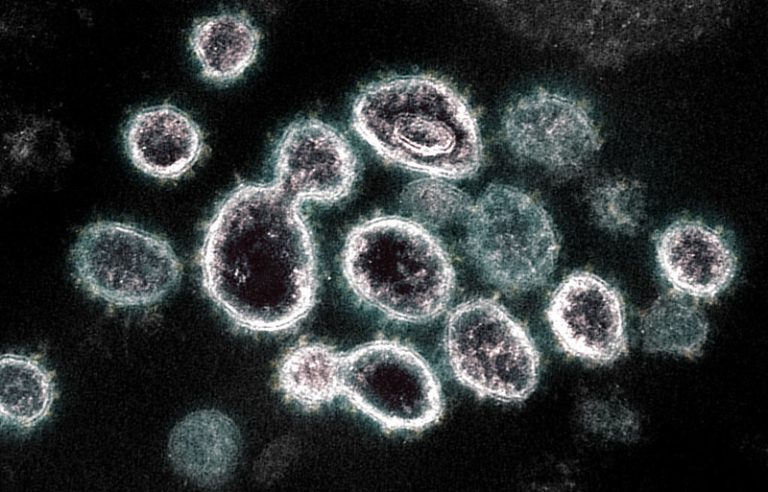
In July 2023, the European Commission’s proposal to deregulate GMOs was presented and understood as concerning only plants. Micro-organisms, animals and fungi would not be concerned. However, a careful reading will show that, contrary to what the European Parliament seems to have understood, some micro-organisms are indeed concerned… because they are considered to be plants!

The European Commission’s legal initiatives on the Living
In less than a year and a half, from May 3, 2022 to October 12, 2023, the previous European Commission has launched a number of legislative initiatives concerning the Living. The deregulation of GMOs, the digitization of living organisms and even patents are just some of the issues on the table of member states and the European Parliament. If adopted, these projects will make it easier for companies with substantial financial, human and technical resources to take ownership of the Living. These initiatives do echo current international negotiations.
Illegal GMO plants and micro-organisms in Europe
Between 1 January 2021 and the present day, the European Union has had to deal with almost fifty cases of the illegal presence of GMOs on its territory. Most of the cases reported by the national authorities involve GMO plants originating in Asian countries such as Vietnam and Thailand, but also in other countries such as Ukraine, the United States and, more surprisingly, France… GMO micro-organisms have also been detected in batches of food additives used in human and animal nutrition.
Synthetic Biology, talks are involving GMOs
For the past fifteen years, governments have been discussing “synthetic biology” on an international level. If to date, an “operational” definition exists, the outlines of this field remain hard to draw. Are talks of “synthetic biology” simply a change of semantics, or a genuinely new frontier of the biotechnology field? For the moment, examples of organisms or molecules obtained by synthetic biology are accumulating: unnatural proteins, GMO plants, GMO bacteria, recreated viruses, modification of living organisms directly in the environment, GMO insects, xenobacteria…
Novonesis, a new Danish industrial giant promoting “biosolutions”?
In January 2024, two Danish industrial giants of the microorganisms merged and Novonesis was born. This company sells “biosolutions” for all industrial and agricultural areas. “Bio” for biotechnological… and not biological, as it prefers to emphasize. This company uses microorganisms, often genetically modified, to make them produce enzymes.