

NGT regulations: trilogue of the deaf under pressure from Denmark
Negotiations on the future European regulation on new genetic modification techniques have been focusing on two sensitive issues for several months: patentability and sustainability. Keen to conclude the dossier before the end of the year, the Danish Presidency is stepping up efforts to find a compromise, at the risk of neglecting issues that are of particular concern to small and medium-sized breeders and farmers. Denmark will seek an agreement this week, having already threatened to freeze discussions and refer the text back to the European Parliament for a second reading.

Consumer associations call for continued labelling and traceability of GMOs
On 14 October 2025, eight consumer associations from various EU Member States published an opinion calling on European institutions to maintain GMO labelling to enable European consumers to make informed choices about their food.
Detection and identification of GMOs still demanded
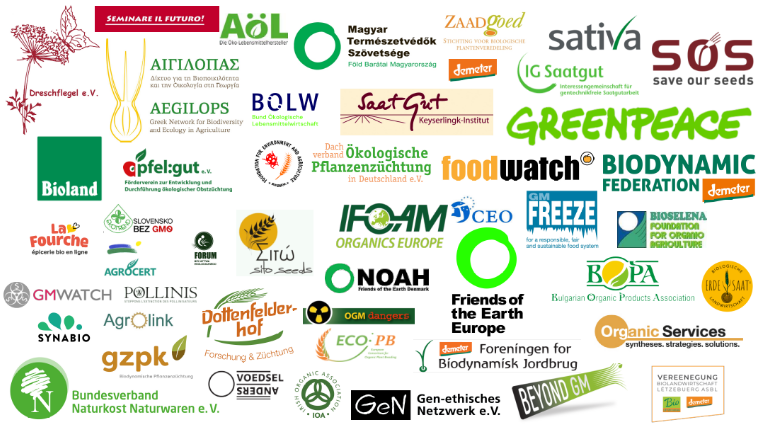
Three groups of French and European organizations have publicly called on political leaders not to abolish labelling and traceability requirements for GMOs produced using new techniques. In their view, maintaining these obligations is the only way to guarantee freedom of choice for farmers and consumers, and to protect the seed and peasant sectors from contamination and attempts by multinationals to take control of living organisms.

In 2025, more and more organisations are opposed to the deregulation of GMOs
In February 2025, two statements opposing the European Commission’s proposal to deregulate GMOs were published. On 11 February 2025, more than 200 organisations, including farming unions, NGOs, small and medium-sized breeders, and players in the organic and non-GMO sectors, published a “joint declaration on the deregulation of new GMOs”. On 21 February 2025, more than 70 French players in the organic sector published a collective opinion piece online in Mediapart.

Polish proposal on patents and GMOs casts doubts among Member States
In January 2025, Poland, president of the Council of Europe, put a proposal on the table of EU member states to “solve” the patent problem that had arisen in the debate on deregulating GMOs obtained by new techniques. Complex and of uncertain effectiveness, the Polish proposal has plunged everyone into doubt. Discussions on this text may therefore not be concluded before Denmark, whose government supports total deregulation of GMOs, takes over the presidency of the European Union.
The European Commission’s legal initiatives on the Living
In less than a year and a half, from May 3, 2022 to October 12, 2023, the previous European Commission has launched a number of legislative initiatives concerning the Living. The deregulation of GMOs, the digitization of living organisms and even patents are just some of the issues on the table of member states and the European Parliament. If adopted, these projects will make it easier for companies with substantial financial, human and technical resources to take ownership of the Living. These initiatives do echo current international negotiations.
French retailers want GMO/NGT to be regulated
When it comes to GMOs, french retailers say they are guided by two main principles: the application of the precautionary principle, and the traceability and consumer information. In France, this stakeholder in the agri-food sector has reservations, to say the least, about the proposed deregulation of GMOs. In June 2023, at the invitation of Anses experts, the french trade and retailing federation (Fédération du Commerce et de la Distribution), currently chaired by the CEO of Carrefour, shared its thoughts.
European and French experts consulted too late on GMO/NGTs ?
While the European Union has been discussing GMO deregulation since July 2023, European and French scientific experts have been and continue to be quite ignored. In France, although the opinion of the Anses was required as early as 2021, its publication took place in March 2024, a month after the vote by MEPs. The latter decided to consult their european experts after the vote, rather than before. However, in order to deliver its opinion in July 2024, the EFSA will make an exception to its procedure: it will not organize a public consultation…
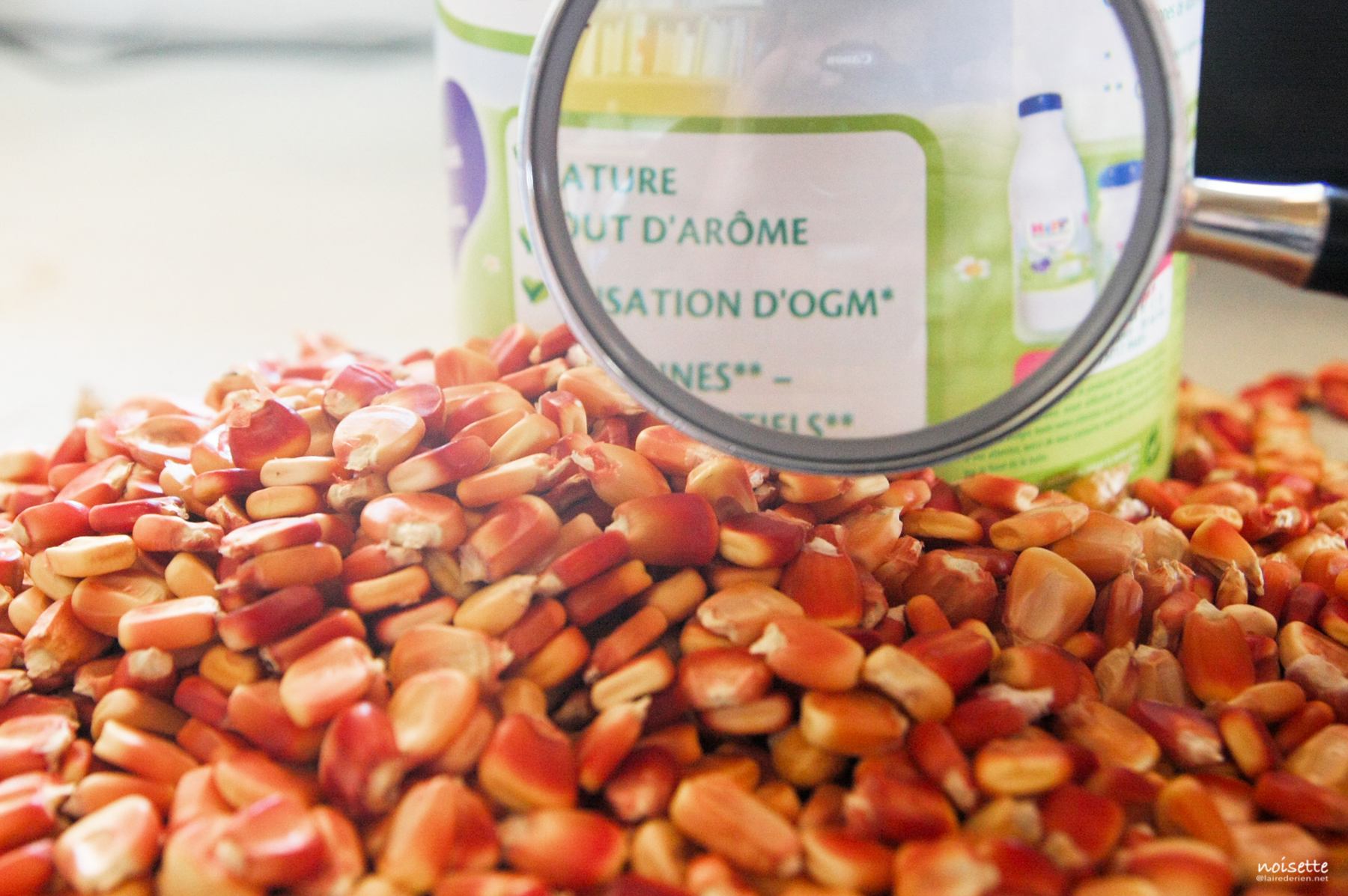
GMOs/NGTs: consumers want a choice

GMOs: sweetened transparency

GMOs: U-turn by the man in charge of the “Green deal”?
