


The Cali Fund: one year on, the promise is fading
Adopted at the COP16 on biodiversity in November 2024, the Cali Fund was officially launched on 25 February 2025. Its aim is to collect a share of the revenue generated by the use of digital sequence information (DSI), which is predominantly exploited by industries in the Global North and identified in biological resources that very often originate from the Global South. The fund’s promise is to ensure the sharing of benefits arising from the use of this DSI, which in particular fuels numerous patent applications. But one year after its launch, the fund remains largely ignored by the main users of DSI.
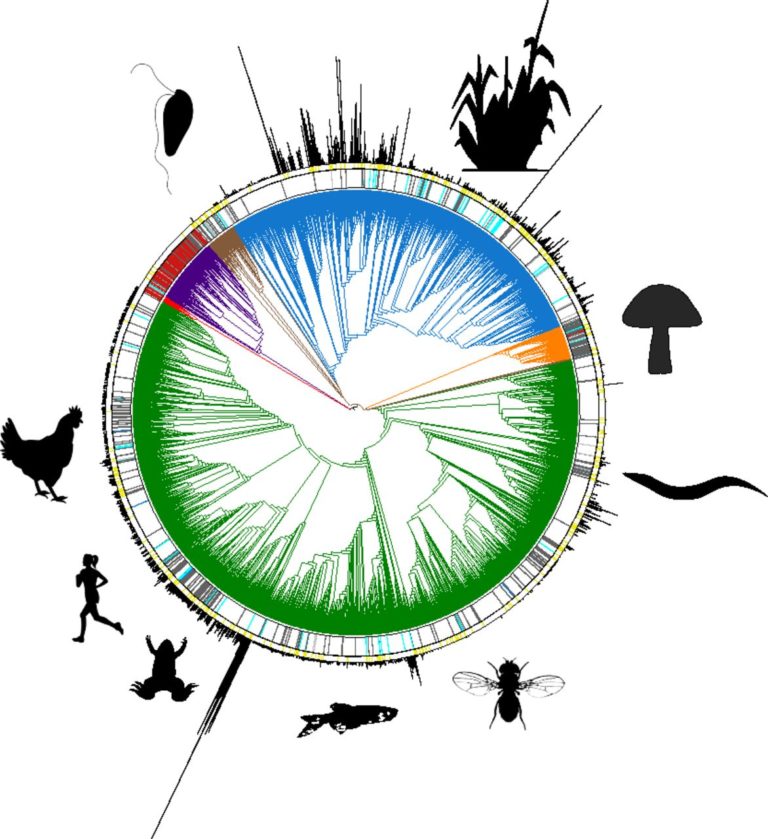
The genome of 1.8 million species is being sequenced
Can biological diversity escape any risk of biopiracy when part of it is digitised in computers? The answer depends on ongoing negotiations within international bodies. In the meantime, an international project to sequence the genome of all known eukaryotic species is making progress. Financed indirectly by players in the IT and artificial intelligence fields, this project even hopes to be able to bypass certain rules thanks to more powerful working tools.
WIPO opens more widely the door to biopiracy

Interconnections between new biotechnologies and DSI or GSD
What are the links between new techniques of genetic modification, digitization of genetic sequences information and patents? Inf’OGM publishes here an analysis presented in June 2024 at a regional workshop organized by the African Center for Biodiversity, in Durban (South Africa). It was written by Guy Kastler, representative of the international farmers’ organization La Via Campesina at various ITPGRFA and CBD meetings.
Journal
Patents on living organisms: a growing appropriation
Journal
DSI: dematerialised biopiracy
