

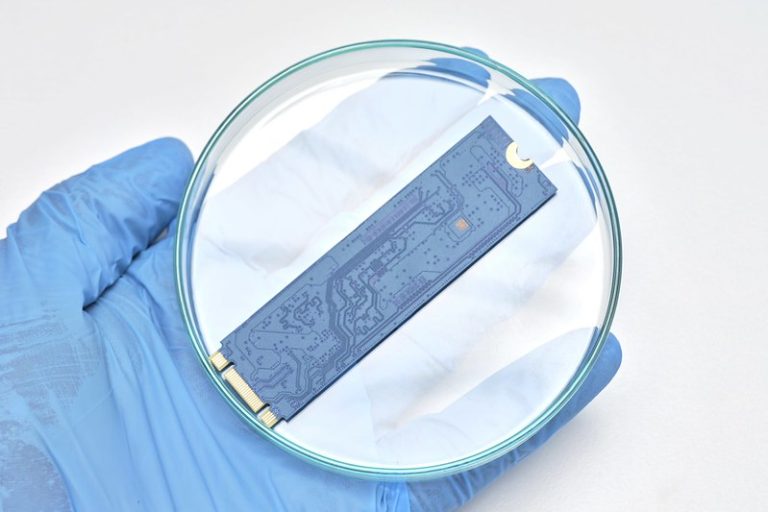
Biotech Act : precaution sacrificed in the name of innovation?
In a recent proposal for regulations claiming to “strengthen the biotechnology and biomanufacturing sectors”, the European Commission wants to see these sectors governed by a policy that “balance innovation with safety, equity and environmental protection”. However, the text mainly aims to promote industrial competitiveness and attractiveness to investors. It provides for faster authorisation procedures for “biotechnology products”, a lighter regulatory framework and prioritisation of so-called “strategic” projects in order to reduce time to market.

Biodiversity and stability of natural systems: what are the impacts of GMOs?
There is no shortage of observations of a living world in the process of destruction, with examples such as collapsing biodiversity and climate change. However, the solutions proposed and adopted by decision-makers in technophile countries are fueling this destruction, as in the case of GMOs. In the opinion piece published here by Inf’OGM, Frédéric Jacquemart calls for the implementation of a “global (systemic) assessment” that would “take into account the organization of the natural complex systems on which we depend in order to guide public decision-making”.
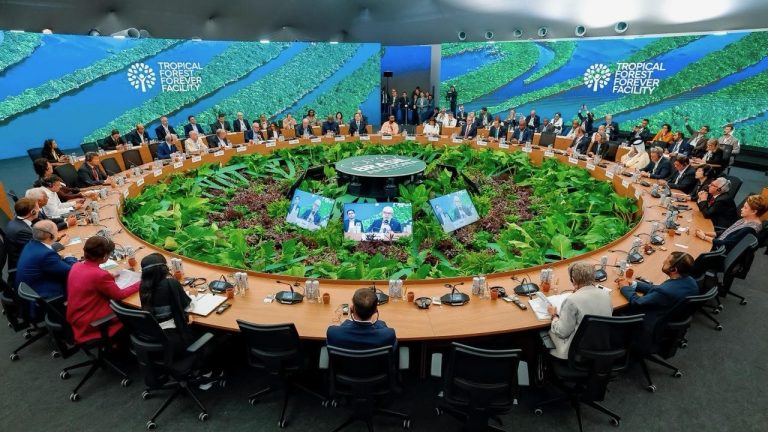
GMOs on the agenda at COP 30
At a time when countries are meeting in Belém, Brazil, to discuss the tools needed to combat climate change, Inf’OGM wishes to shed light on the role of biotechnology in these negotiations. Biotechnology companies are making several promises: GMOs will help combat world hunger and climate change.

The EU’s “life sciences” strategy: a pro-industry strategy
Under the guise of making the continent a world leader in “life sciences”, the European Commission has confirmed its clearly pro-industry vision in its strategy published in early July. With a resolutely competitiveness-focused approach, it minimises the potential consequences for other social actors.
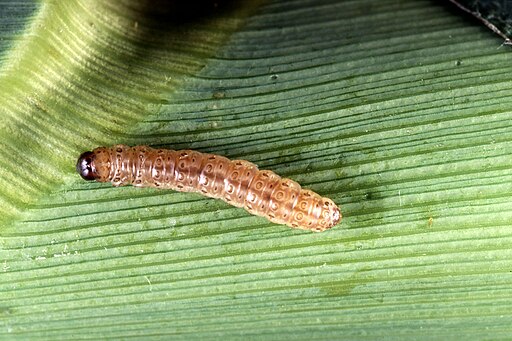
In Spain, are some insects beginning to resist GM maize?
For almost 15 years, European and French experts have been recommending that Bayer improve environmental monitoring of commercial Mon810 corn crops in Spain and Portugal. This improvement is necessary, they say, to prevent target insects such as the European corn borer and sesamia from developing resistance to the insecticide produced by this transgenic corn. But year after year, Bayer only partially responds to these requests. Yet concerns are becoming increasingly serious and concrete, as demonstrated by the latest EFSA opinion, published in August 2024.
Few micro-organisms modified by Crispr are already on the market

GMOs : the Commission ignores its experts to reassure industry
Journal
Biodiversity withstanding agriculture
Journal