

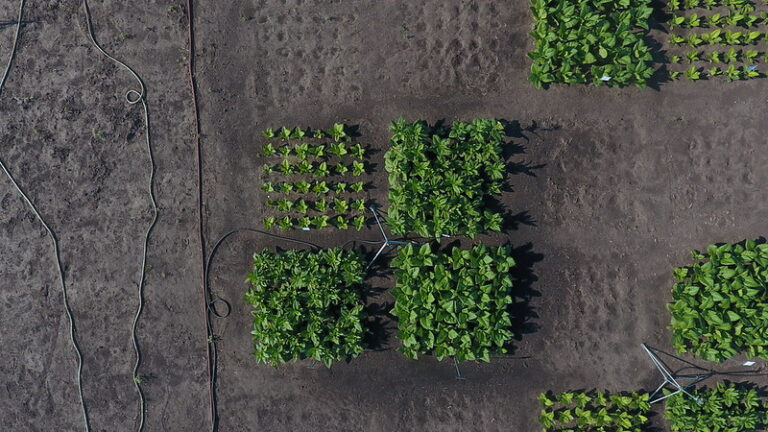
Patent law: a potential barrier to seed innovation
In the United States, a legal battle between two seed companies, Corteva and Inari, has highlighted a contradiction in the patent system. Whilst intended to encourage innovation in exchange for the disclosure of inventions, patents can also complicate access to the biological material needed for research and the creation of new varieties. In May 2026, the US Department of Justice intervened to highlight the competition and innovation issues linked to access to patented seeds. However, the dispute will not proceed to trial, as the companies signed an out-of-court settlement on 27 September 2026, the main terms of which remain confidential. A missed opportunity to obtain judicial clarification on the use of patented biological material by a third party.

The United States do not exempt GMOs/NGTs
Unlike the European Union, in the United States, GMOs produced using new techniques of genetic modification (NGTs) are subject to federal legislation on GMOs. They may be subject to a risk assessment and, since 2018, to labelling and traceability requirements. Although the US administration sought to deregulate them in 2020, a court ruling in December 2024 cancelled this exemption.
The OECD highlights disparities in regulations on GMOs obtained by NGTs
The argument that the European Union must catch up with other countries by deregulating GMOs produced using new genetic modification techniques (GMOs/NGTs) is repeated ad nauseam by their proponents. However, at the end of 2025, an OECD report reviewed the legislation in force in some of the largest GMO-producing countries (Argentina, Brazil, Canada, the United States, etc.). And the least one can say is that the international legislative landscape is highly varied.
NGT and patents: the EU has chosen to ignore the US precedent
New genetic modification techniques (NGTs) are presented by their proponents as a mean of promoting innovation in seed production and broadening farmers’ choices. However, the US experience shows that deregulating GMOs is not enough to make them accessible to users. According to a 2023 report by the US Department of Agriculture, the significant increase in patent fees on GMOs is hindering access to seeds in general. Europe, which has just adopted its regulation on GMOs produced using NGTs, arguing that it is necessary to boost variety innovation, was nevertheless aware of this report on the situation in the US.

NGT Regulation: is Europe heading for a rise in seed prices?
In June, the European Parliament adopted a regulation on new genetic modification techniques (NGTs). Contrary to the demands of several civil society organisations – notably farmers’ groups, but also MEPs – the text does not ban patents on products derived from these NGTs. However, experience in the US shows that the strengthening of intellectual property rights over seeds has been accompanied by a general rise in their prices – particularly those of genetically modified seeds – and by increased concentration within the sector. This trend could also occur in Europe and, in the long term, have an impact on food prices.
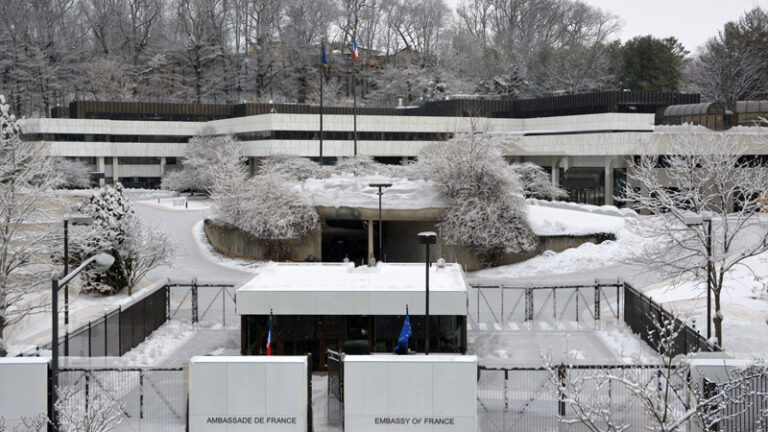
GMO/NGT: A memo from the French Embassy in the United States ignored by the government
In late April 2026, the French government supported the deregulation of GMOs produced using new techniques of genetic modification (GMO/NGT). A month earlier, however, the French Embassy in the United States had sent the government a memo detailing the situation in that country. Despite more than 140 marketing authorisations, only a few GMO/NGT are actually on the market there… but with significant patent-related issues. The situation described bears no resemblance to the promises made by multinational corporations or the European Commission.

Europe set to approve a new mRNA vaccine for human use
In late February, the European Medicines Agency (EMA) recommended granting marketing authorisation for a vaccine marketed under the name mCombriax. This is an mRNA “vaccine” against COVID-19 and seasonal flu, developed by Moderna, intended for people aged 50 and over. This opinion will be forwarded to the European Commission, which could adopt the marketing authorisation decision. Given that mRNA technology is still in its infancy and has not yet really proven itself in the medical field, this favourable opinion is somewhat surprising.
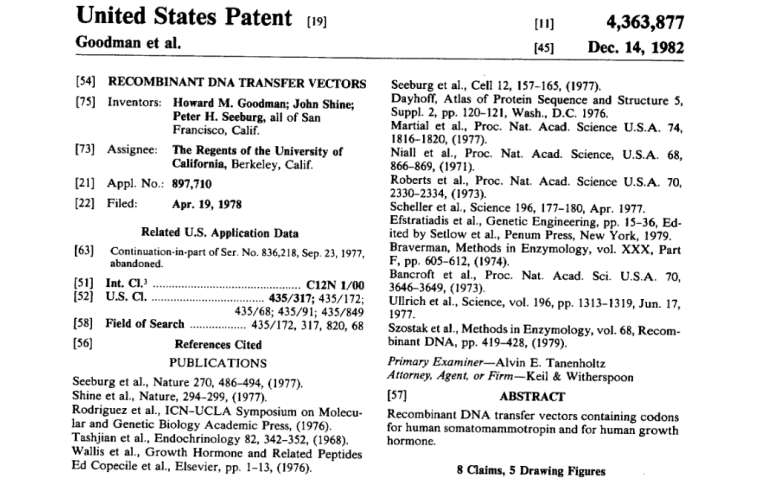
Patents, living organisms and GMOs/NGTs
A patent confers the right to prevent third parties from exploiting an invention. Whilst historically it applied to specific technical objects and/or the processes for obtaining them, its extension to living organisms – and subsequently to genetic information – has transformed its scope. Between the broadening of claims, mechanisms for extending protection and growing legal uncertainties, patents now represent a threat from the biotechnology industry to fundamental economic and societal issues, particularly food sovereignty.

Crispr/Cas9 : from patent disputes to the widespread use of GMOs
A dispute over patent rights to Crispr/Cas9 has been ongoing for several years between its main discoverers, universities and research institutes. To date, the outcome of this dispute and its impact on the Crispr/Cas9 economy remain unpredictable. Added to this is an ongoing dispute over Crispr applications between the parties to the main dispute and companies. Despite this, the widespread use of this tool for modifying living organisms, and the associated health, environmental and socio-economic consequences, seem inevitable.
Will the mRNA flu vaccine come into being?
At the end of November 2025, the New England Journal of Medicine published an article on a clinical trial of a messenger RNA vaccine against seasonal influenza. The article was written by researchers working for Pfizer, the company that developed the vaccine. Pfizer is keen to show that its vaccine is more effective than conventional vaccines. However, independent experts have pointed out major omissions and inconsistencies in the publication, which minimise or even call into question the trial’s conclusions.

The Asilomar 2025 conference, a pipe dream
The Asilomar Conference (California, United States) on ‘recombinant DNA’ was organised in 1975 by molecular biology researchers. Its aim was to define the safety conditions necessary for handling genetically modified bacteria shortly after the first attempts at transgenesis.
Today, despite their medical, agricultural and environmental promises, biotechnological advances, combined with other technologies such as ‘artificial intelligence’, are above all a sword of Damocles hanging over all living things. In 2025, a new Asilomar conference failed to produce a joint statement by the participants.

Origin of Covid 19: the laboratory leak is the most likely (part 3)
Having described the complexity of the question of the origin of Sars-Cov2, the main players and their research (GOF, etc.), then the history of the pandemic (part 1 and part 2), we can give the opinions of the various parties, without any of them being totally convincing.