


Global GMO acreage remains stagnant
In 2024, 209.8 million hectares of genetically modified crops were grown worldwide, representing 4.2% of global farmland. Beyond this relatively low percentage, it is also important to note that, for decades, genetically modified crops have been limited to just a few countries and four plant species. GMO proponents readily cite the Bt eggplant in Bangladesh, or African countries that have recently authorized transgenic cotton or cowpeas… But this optical illusion is a long-standing strategy designed to create the illusion of GMO success.
25 years later, insecticidal GMOs face insect resistance
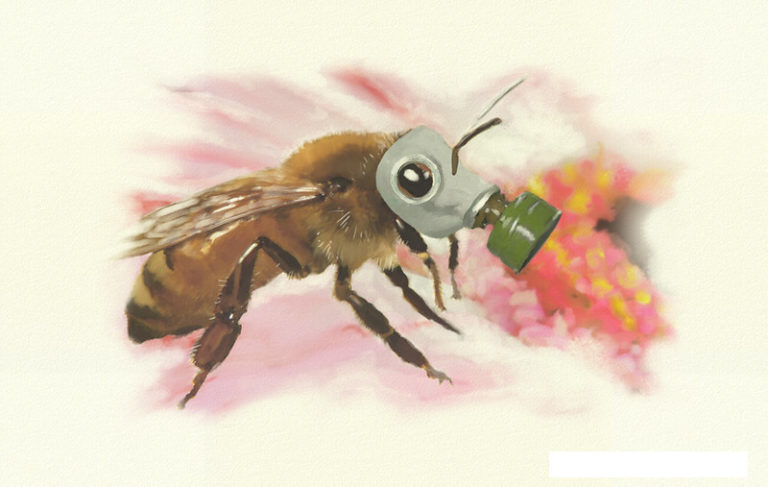
43 detections of insects having acquired resistance to the Bt proteins supposed to kill them were listed in a scientific article in 2023. 43 cases out of 73 studied, i.e. more than half. For the authors of the article, the use of insecticidal GMOs has been crowned with success, as in several cases it has made it possible to reduce or even eradicate local pests. But failures also occurred due to resistance. The authors believe that the future lies in a combination of technologies, among which is RNA interference.

Catalonia: GMO Clearfield rapeseeds do not have better yields
In Spain, the public agronomy institute Irta regularly carries out evaluations of several varieties of rapeseed. Recently, they introduced into their evaluation some Clearfield rapeseed varieties, herbicide tolerant varieties modified via in vitro mutagenesis. Result: these GMOs, grown commercially in Europe outside the legal framework, do not have better yields than their conventional counterparts.