

The Asilomar 2025 conference, a pipe dream
The Asilomar Conference (California, United States) on ‘recombinant DNA’ was organised in 1975 by molecular biology researchers. Its aim was to define the safety conditions necessary for handling genetically modified bacteria shortly after the first attempts at transgenesis.
Today, despite their medical, agricultural and environmental promises, biotechnological advances, combined with other technologies such as ‘artificial intelligence’, are above all a sword of Damocles hanging over all living things. In 2025, a new Asilomar conference failed to produce a joint statement by the participants.
Origin of Covid 19: the laboratory leak is the most likely (part 3)
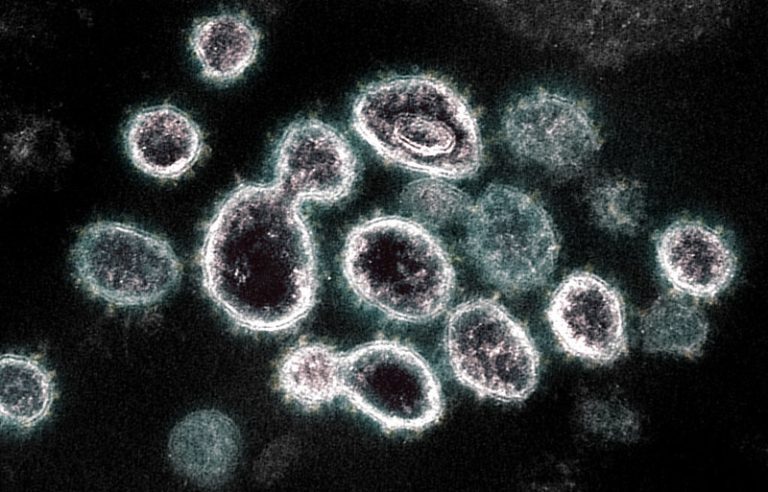
Having described the complexity of the question of the origin of Sars-Cov2, the main players and their research (GOF, etc.), then the history of the pandemic (part 1 and part 2), we can give the opinions of the various parties, without any of them being totally convincing.
Origin of Covid-19: laboratory leak is the most likely scenario (part 2)
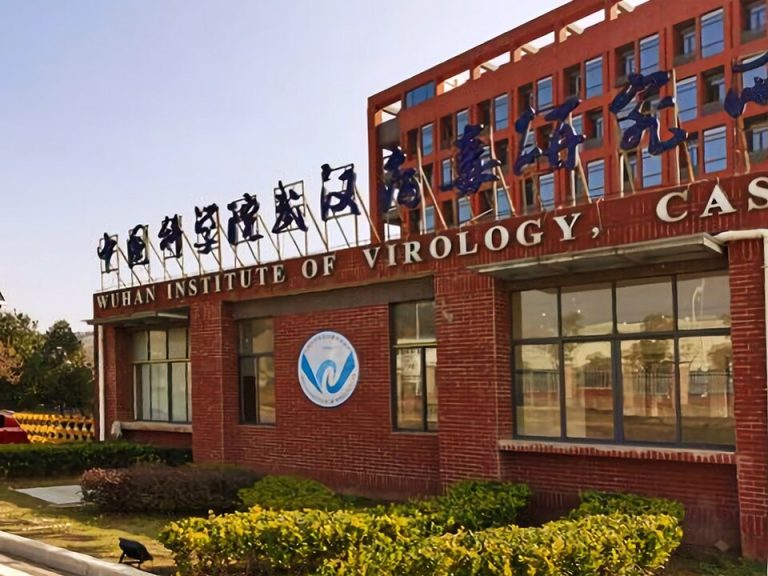
After describing the main issues and key players (part 1)i, we will now trace the prehistory of Covid-19, followed by its history, which has received more media coverage.

Origin of Covid-19: laboratory leak is the most likely scenario
A Covid-19 epidemic (acronym for ‘coronavirus disease 2019’) was officially declared in January 2020 in the city of Wuhan, then quickly turned into a pandemic spreading throughout the world. The rapid spread of the SARS-CoV-2 virus (for ‘Severe Acute Respiratory Syndrome’), responsible for this pandemic, led to lockdowns being imposed on everyone, regardless of age group or susceptibility to the disease. It has disrupted the lives of billions of people. But where did the virus come from? This three-part article aims to describe what is known about the origin of this virus and why it should matter to us, here and now. All those involved in this pandemic story are undoubtedly hiding part of the truth.
In the first part, we explain the issue and why it may be of interest to us, even after the pandemic is over, and describe its main players. In the second part, we will review the history of this pandemic. In the third part, we will give the opinions of various institutions on its origin.
Limagrain, a “cooperative” that has always bet on GMOs
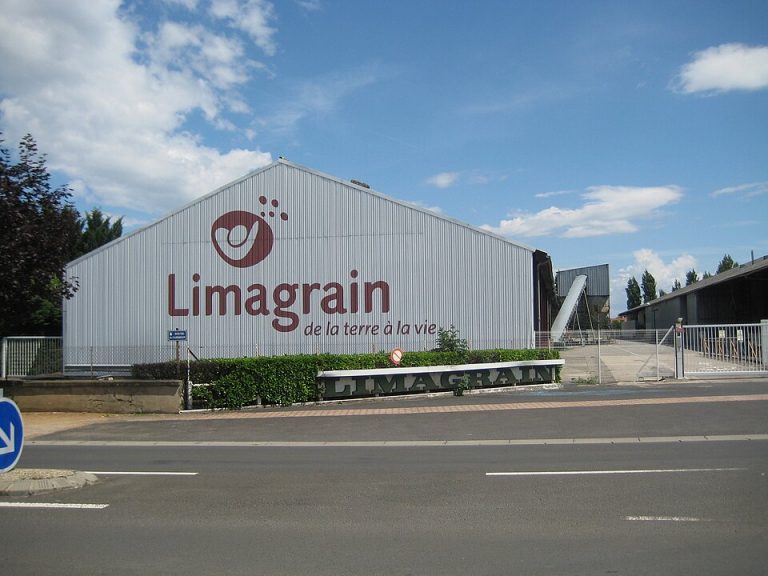
Behind its label as an agricultural cooperative from Auvergne (France), Limagrain is now a global player in GMOs. The Group has been promoting GMOs for many years. Last March, its CEO, Sébastien Chauffaut, was optimistic about the forthcoming deregulation of GMOs/NGTs, which he hopes to market from 2029. Here’s a look at Limagrain’s GMO strategy, combining state privilege and lobbying.

Nanotechnologies in the field: nothing new in twenty years?
Patents involving the use of nanos* in agriculture have multiplied over the last 20 years. However, there has been no improvement in the availability of information in this field. A recent report, commissioned by AVICENN and published by the European Chemicals Agency (ECHA), re-emphasizes the need to change European regulations in order to better identify, assess and manage nanos in the fields and the food. AVICENN is calling for greater transparency on the marketing and risks of nanomaterials that have long been used in agriculture.
