

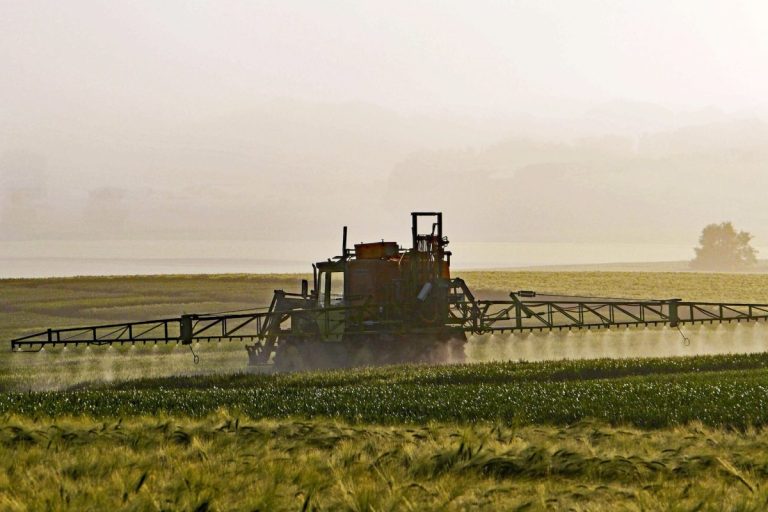
Nanoparticles galore in pesticides
A report by ANSES, published last April, proposes to increase vigilance regarding the use of nanopesticides. These nanometric molecules are highly volatile, which considerably increases their potential for dissemination and contamination, as well as their potential toxic effects on the body. The problem is that not only is their sale unregulated in Europe, but the regulations do not provide for their detection.

Palmer amaranth, an extremely invasive weed, arrives in France
As soon as farmers began using herbicides on a large scale, weeds tolerant to these substances appeared. This is a simple biological phenomenon: living organisms are constantly adapting. The cultivation of genetically modified plants has accelerated this development of tolerance, which has significant agricultural and economic consequences. In France, a highly invasive weed known as Palmer amaranth, which is resistant to several types of herbicides, could soon take hold. This is the fear expressed by ANSES in a report published in December 2025.

The European Commission as absolute ruler over GMO and pesticide legislation?
The legislative texts concerning GMOs proposed by the European Commission aim to almost entirely remove the regulatory framework for GM plants and microorganisms. In addition to this deregulation, two new measures have been discreetly slipped in. The first, which is common to the pesticides dossier, would consist of authorising these products without any time limit. The second would give the European Commission full powers over future legislative changes.
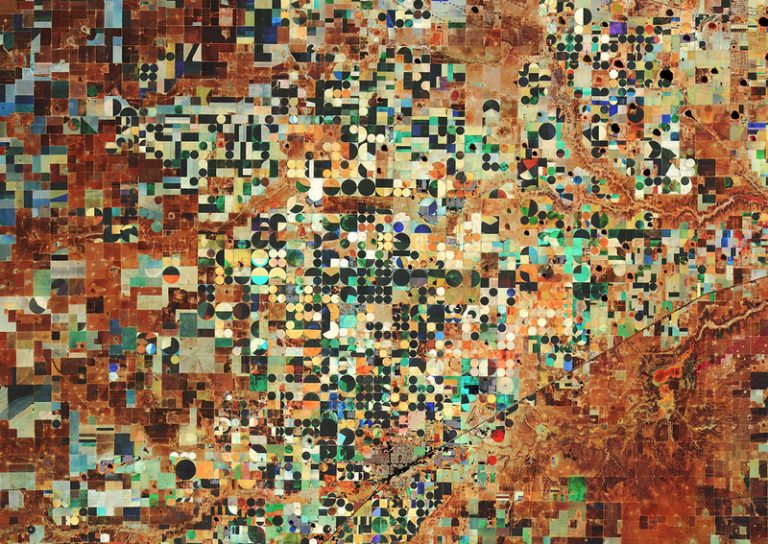
“Biotech Act” 2025: high-tech against farmers?
In 2025, the European Union is expected to adopt a “biotech act” aimed, among other things, at modernising agriculture through new technologies. At the same time, public policies, in particular the Common Agricultural Policy (CAP), are guiding farmers towards ever more expensive and sophisticated mechanisation. As a result, a “high-tech” and soil-less agricultural model is taking shape in Europe, with the risk of increasing farmers’ indebtedness and marginalising small-scale farming.

Catalonia: GMO Clearfield rapeseeds do not have better yields
In Spain, the public agronomy institute Irta regularly carries out evaluations of several varieties of rapeseed. Recently, they introduced into their evaluation some Clearfield rapeseed varieties, herbicide tolerant varieties modified via in vitro mutagenesis. Result: these GMOs, grown commercially in Europe outside the legal framework, do not have better yields than their conventional counterparts.
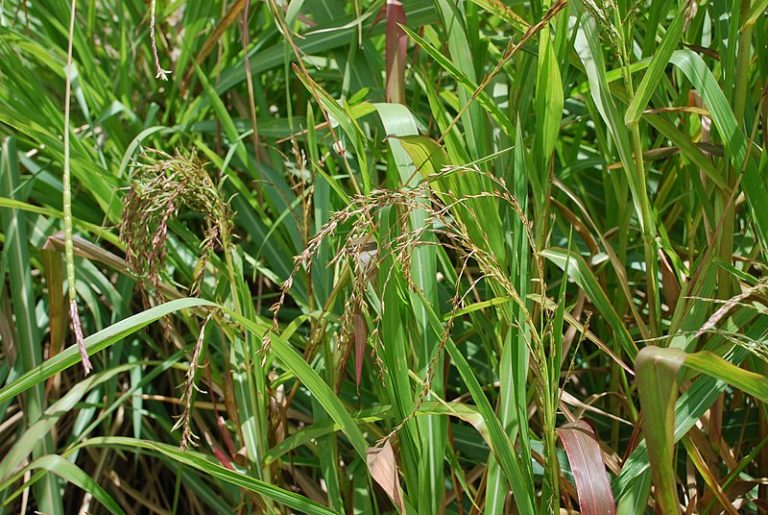
Problems ahead due to cultivation of GMO maize in Europe?
Journal