

For the FSC label, trees derived from NGTs are GMOs that cannot be certified as “sustainable”
The Forest Stewardship Council (FSC), which certifies “sustainably” managed forests, held a public consultation on the interpretation of its definition of “genetically modified organism” (GMO)i – a definition adopted in 2000 and copied verbatim from the European definition in force since 1990. Currently, GMO tree plantations cannot obtain FSC certification. The consultation revealed conflicting views among the stakeholders (both members and non-members) who participated. However, among FSC members specifically, a narrow majority of respondents favored classifying trees derived from New Genomic Techniques (NGTs) as GMOs. Consequently, the FSC secretariat decided to keep trees genetically modified using NGTs within the GMO category, thereby maintaining the ban on their use in certified plantations.

Multinational companies want the DSI and the money from DSI
This autumn, governments, businesses, Indigenous communities and other representatives of civil society are to meet in Yerevan (Armenia) to discuss the protection of terrestrial and marine biodiversity. As more and more genetic components of this biodiversity are being digitised, multinational corporations want to seize the opportunity to exploit the benefit-sharing fund for the use of DSI, known as the “Cali Fund”. Their demands? To reduce the amount of the contributions and the ability of states to decide on national measures, and to widen the loopholes allowing them to bypass prior consent for the use of living organisms that make up biodiversity.

The Cali Fund: one year on, the promise is fading
Adopted at the COP16 on biodiversity in November 2024, the Cali Fund was officially launched on 25 February 2025. Its aim is to collect a share of the revenue generated by the use of digital sequence information (DSI), which is predominantly exploited by industries in the Global North and identified in biological resources that very often originate from the Global South. The fund’s promise is to ensure the sharing of benefits arising from the use of this DSI, which in particular fuels numerous patent applications. But one year after its launch, the fund remains largely ignored by the main users of DSI.
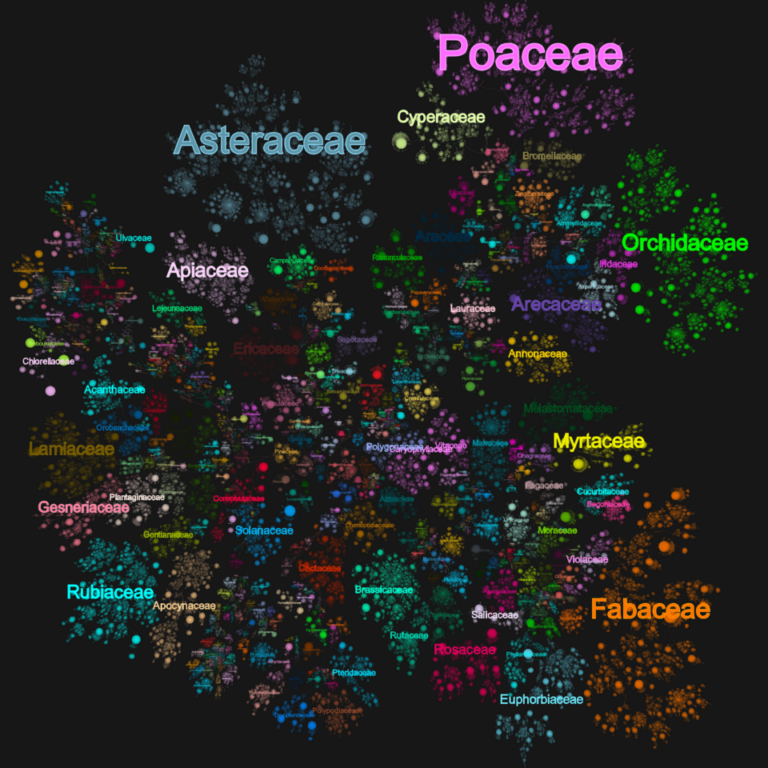
Digital sequence information: Appropriating life without touching it?
Digital sequence information (DSI) has long been a source of tension between countries in the “Global North” and the ”Global South”. The latter provides the majority of the physical genetic resources containing this DSI, whilst the North, thanks to its bioinformatics capabilities, carries out most of the exploitation and financial capitalisation of this information. Thus, by linking biological functions to digitised genetic sequences, the North files numerous patent applications and captures the lion’s share of the profits, in violation of international conventions and treaties. In an attempt to legalise this new form of biopiracy, a pledge to share these benefits equitably – the Cali Fund – was formalised in 2024. It remains, however, ineffective, failing to address a major injustice.
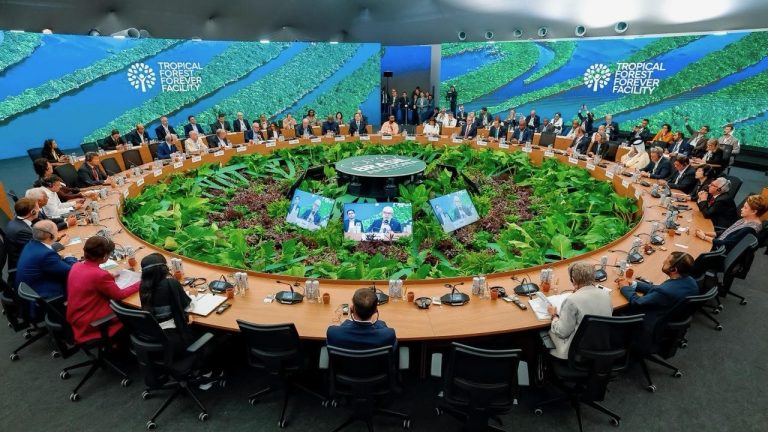
GMOs on the agenda at COP 30
At a time when countries are meeting in Belém, Brazil, to discuss the tools needed to combat climate change, Inf’OGM wishes to shed light on the role of biotechnology in these negotiations. Biotechnology companies are making several promises: GMOs will help combat world hunger and climate change.
Deadlock on digital sequencing information within the ITPGRFA
New negotiations on digital sequencing information within the framework of the ITPGRFA are reigniting tensions between “developing” and “developed” countries. The latter are imposing guidelines that weaken the claims of the other side and strengthen their control over plant genetic resources. Their weapon? Maintaining “free access” to digital sequencing information and parallel and optional benefit sharing, as agreed by the Convention on Biological Diversity.
The ITPGR is working on a controversial reform
At the beginning of April, the Tirpaa again discussed the expansion of the list of crops covered by the multilateral system and the revision of the contract governing their use. While some Member States of the Treaty are invoking the need to guarantee global food security, fears are being voiced that there will be a drift in widespread access to peasant and traditional seeds. This would facilitate their patenting, without any real sharing of the benefits, to the detriment of the countries of the “South” and the rights of the peasants.
Despite negotiations in 2024, disagreements over DSI persist
In 2024, digital sequence information (DSI) derived from genetic resources was at the heart of international negotiations. Discussions focused mainly on the sharing of the benefits generated by the industrial and commercial use of this DSI, and the mechanisms required to implement it. These developments could redefine governance and influence the future regulation of DSI, but persistent differences between countries are holding back progress.