


MEPs approached by industry to deregulate GMOs/NGTs
Since the European Commission submitted its proposal to deregulate almost all GMOs in 2023, multinational seed companies and lobbyists have been busy lobbying European institutions to support this proposal. Companies and civil society organizations can request meetings with MEPs. These meetings are listed, at least in part, on the Parliament’s website. In this article, Inf’OGM shows that supporters of GMO deregulation had 59 meetings, compared to 23 for opponents.

A biotech “Alliance”: when lobbying becomes institutionalised
At the end of July 2025, the EU Biotech and Life Sciences Alliance was quietly launched in the European Parliament. Supported by the lobby group Europabio, its aim is to bring together MEPs to “ensure that the [European] Union takes bold and coordinated action” to strengthen its biotechnology sector. While this initiative reflects a desire to maintain Europe’s competitiveness, it raises a major political question: where does democratic representation end and institutionalised lobbying begin?

The scientific lobby joins the trilogue on the deregulation of GMOs/NGTs
As the European Union attempts to move forward with its trilogue on the deregulation of plant GMOs derived from new techniques (NGT), the French Association for Plant Biotechnology (AFBV) and its German counterpart (WGG) are stepping up to the plate. In a joint statement, they highlight the disagreements between the European Parliament and the Council, while arguing, on the basis of what they claim to be “scientific” arguments, for the deregulation of these GMOs, to the benefit of the biotech sector.

Illegal cultivation of GM soybeans in Tunisia revealed by DNA tests
Presented as a response to the feed crisis, a new crop is quietly taking root in Tunisian fields. Behind the soybeans, genetically modified seeds are being introduced without regulation and amid total institutional silence.

The European Commission postpones its “biotech law” again
The European Commission’s postponement of its “biotech law” until the end of 2026 is raising questions. Presented as a future “regulation”, this law must be coordinated with other legal acts still under discussion, in particular the one on new genomic techniques (NGT). But the regulation on health data (known as “EHDS”), adopted in February 2025, could also be a reason for this postponement.
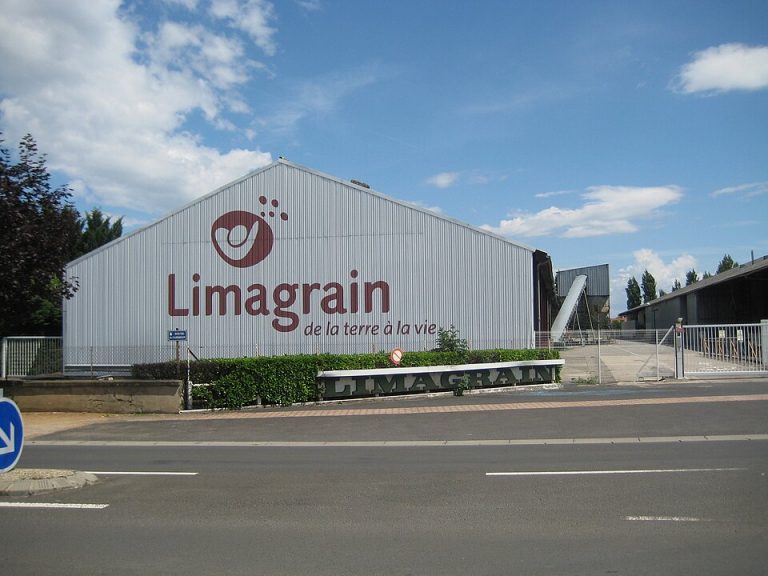
Limagrain, a “cooperative” that has always bet on GMOs
Behind its label as an agricultural cooperative from Auvergne (France), Limagrain is now a global player in GMOs. The Group has been promoting GMOs for many years. Last March, its CEO, Sébastien Chauffaut, was optimistic about the forthcoming deregulation of GMOs/NGTs, which he hopes to market from 2029. Here’s a look at Limagrain’s GMO strategy, combining state privilege and lobbying.

Seeds regulation: the industry weighs in the balance
At a time when the European Union is preparing new regulations on seeds, a look at the meetings between MEPs and the various stakeholders indirectly shows the weight of the multinationals in these procedures. This raises questions about the imbalance in the representation of these parties and the potential consequences for small seed companies, farmers and peasants.

Pro-GMO multinationals indirectly manage the Svalbard seed bank
The Svalbard Global Seed Vault (Svalbard, Norway), often nicknamed the “seed vault”, plays a special role in preserving genetic biodiversity. Its main mission, focused on the long-term conservation of seed samples, is officially to preserve the diversity of plant genetic resources and ensure their accessibility in the event of disasters. However, a closer look at how it works reveals the considerable influence and interests of pro-GMO players in its governance. Who will really benefit from Svalbard, the multinationals or the farmers?

Few micro-organisms modified by Crispr are already on the market

GMOs: the Commission ignores its experts to reassure industry

The biotech industry: political pressure
