


Patents and “native traits”: circumventing the limits of European law
For over a decade, European institutions have sought to prevent the patenting of plants and traits obtained exclusively through essentially biological processes. However, patents relating to “native traits” continue to indirectly cover these traits through claims relating to associated technical features. The recent deregulation of GMOs/NGTs raises concerns about the risk of these patents extending to plants derived from traditional breeding and propagation – which are not patentable – and which therefore naturally contain such “native traits”.

Patents on life: extension through language and law
In the field of life sciences, the scope of a patent depends not only on the invention described, but also on the way it is claimed and the legal framework governing its protection. Drafting strategy, functional claims, homology percentages… these are all tools that can considerably broaden the scope of the initial “invention”. In the context of genetic sequences and digital data associated with living organisms, these mechanisms are now of particular importance.
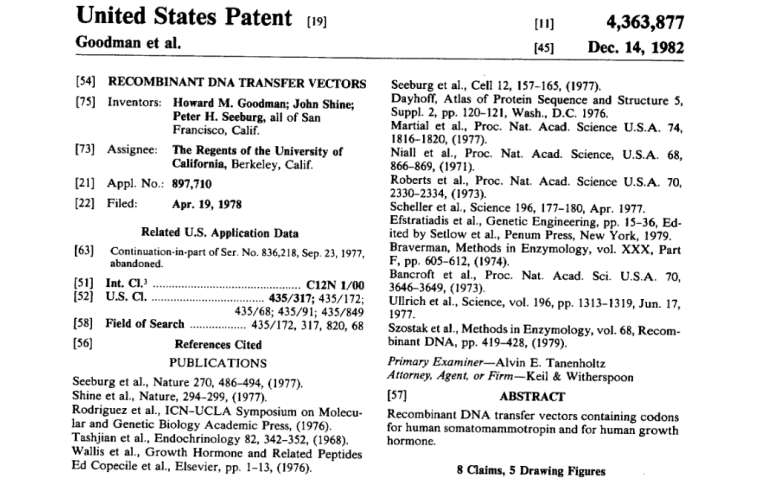
Patents, living organisms and GMOs/NGTs
A patent confers the right to prevent third parties from exploiting an invention. Whilst historically it applied to specific technical objects and/or the processes for obtaining them, its extension to living organisms – and subsequently to genetic information – has transformed its scope. Between the broadening of claims, mechanisms for extending protection and growing legal uncertainties, patents now represent a threat from the biotechnology industry to fundamental economic and societal issues, particularly food sovereignty.
NGT regulations: trilogue of the deaf under pressure from Denmark
Negotiations on the future European regulation on new genetic modification techniques have been focusing on two sensitive issues for several months: patentability and sustainability. Keen to conclude the dossier before the end of the year, the Danish Presidency is stepping up efforts to find a compromise, at the risk of neglecting issues that are of particular concern to small and medium-sized breeders and farmers. Denmark will seek an agreement this week, having already threatened to freeze discussions and refer the text back to the European Parliament for a second reading.