


GMO/non-GMO equivalence: the Commission turns “certain cases” into a general rule
The proposal to deregulate some of the GMO plants made by the European Commission in July 2023 is based in particular on the assumption that new techniques of genetic modification can produce organisms with modifications that could also be obtained using so-called “conventional” methods. To make this claim, the European Commission uses a subtle but decisive semantic abuse in its proposal…
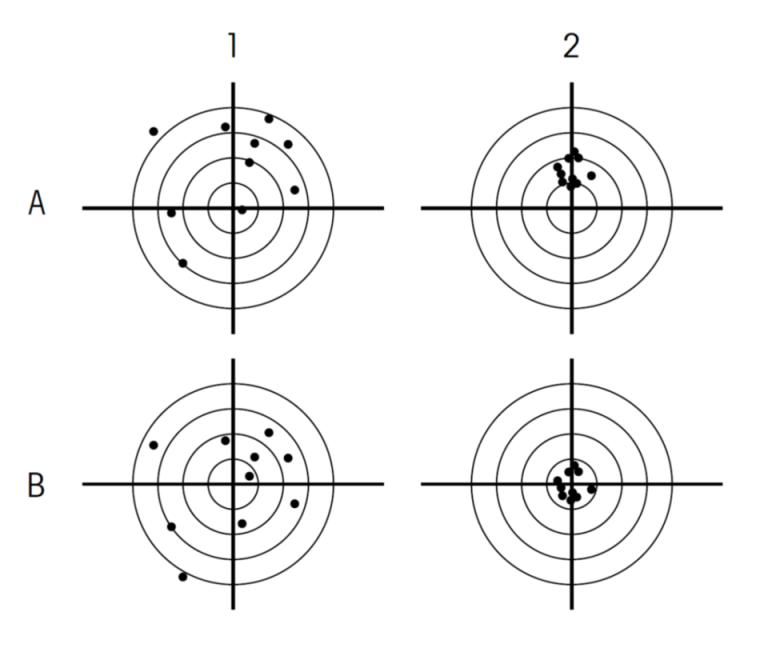
Directed, targeted, precise mutagenesis… Are these adjectives misleading?
Being precise, targeting and achieving one’s goal, directing a mutagenesis… these are adjectives that convey a sense of control and precision. However, on closer inspection, these adjectives mean nothing in a legal text. Because, in the European Commission’s proposal to deregulate a number of GMOs, they are not accompanied by their corollaries: targeted where? Precise to what degree? Directed by what or by whom?

When lexical confusion serves political purposes
Plants and fungi genetically modified using CRISPR or other “targeted mutagenesis” techniques, genetically modified organisms (GMOs) designated by the acronym “NGT” for “new genomic techniques”… These various expressions are used in speech and writing by many legislators and scientists, even though they are inappropriate. But they are used for an explicit purpose: to obtain the deregulation of a very large number of GMOs by systematically removing the words “genetically modified”, which cause public mistrust.

More words, always words…
For several years, Inf’OGM has been working to monitor and decipher the words used by multinationals and legislators in discussions about GMOs, industrial property or the digitisation of living organisms. The choice of words is by no means insignificant, and naming a subject, a tool or elements of nature contributes to a good understanding of the issues at stake… or to maintaining confusion!