

Biotech Act : precaution sacrificed in the name of innovation?
In a recent proposal for regulations claiming to “strengthen the biotechnology and biomanufacturing sectors”, the European Commission wants to see these sectors governed by a policy that “balance innovation with safety, equity and environmental protection”. However, the text mainly aims to promote industrial competitiveness and attractiveness to investors. It provides for faster authorisation procedures for “biotechnology products”, a lighter regulatory framework and prioritisation of so-called “strategic” projects in order to reduce time to market.
Will the mRNA flu vaccine come into being?
At the end of November 2025, the New England Journal of Medicine published an article on a clinical trial of a messenger RNA vaccine against seasonal influenza. The article was written by researchers working for Pfizer, the company that developed the vaccine. Pfizer is keen to show that its vaccine is more effective than conventional vaccines. However, independent experts have pointed out major omissions and inconsistencies in the publication, which minimise or even call into question the trial’s conclusions.
New GMOs to produce medicines tested in Spain
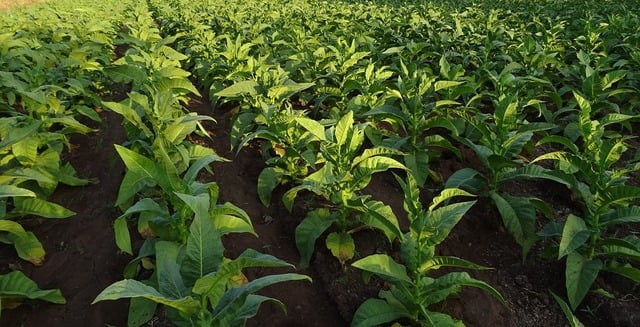
Near Valencia (Spain), in Polinyà del Xúquer, a trial of genetically modified tobacco to produce a molecule of therapeutic interest has been authorised. This tobacco has been modified using genetic modification techniques presented as new (NGT). The two partners in charge of the trial, the company MadeInPlant and the agricultural union AVA, declared the trial in December 2024, in accordance with Directive 2001/18 governing GMOs, even though they claim that this tobacco is not a GMO but an NTG plant.

Origin of Covid 19: the laboratory leak is the most likely (part 3)
Having described the complexity of the question of the origin of Sars-Cov2, the main players and their research (GOF, etc.), then the history of the pandemic (part 1 and part 2), we can give the opinions of the various parties, without any of them being totally convincing.
Origin of Covid-19: laboratory leak is the most likely scenario (part 2)
After describing the main issues and key players (part 1)i, we will now trace the prehistory of Covid-19, followed by its history, which has received more media coverage.
Origin of Covid-19: laboratory leak is the most likely scenario
A Covid-19 epidemic (acronym for ‘coronavirus disease 2019’) was officially declared in January 2020 in the city of Wuhan, then quickly turned into a pandemic spreading throughout the world. The rapid spread of the SARS-CoV-2 virus (for ‘Severe Acute Respiratory Syndrome’), responsible for this pandemic, led to lockdowns being imposed on everyone, regardless of age group or susceptibility to the disease. It has disrupted the lives of billions of people. But where did the virus come from? This three-part article aims to describe what is known about the origin of this virus and why it should matter to us, here and now. All those involved in this pandemic story are undoubtedly hiding part of the truth.
In the first part, we explain the issue and why it may be of interest to us, even after the pandemic is over, and describe its main players. In the second part, we will review the history of this pandemic. In the third part, we will give the opinions of various institutions on its origin.

The EU’s “life sciences” strategy: a pro-industry strategy
Under the guise of making the continent a world leader in “life sciences”, the European Commission has confirmed its clearly pro-industry vision in its strategy published in early July. With a resolutely competitiveness-focused approach, it minimises the potential consequences for other social actors.

The European Commission postpones its “biotech law” again
The European Commission’s postponement of its “biotech law” until the end of 2026 is raising questions. Presented as a future “regulation”, this law must be coordinated with other legal acts still under discussion, in particular the one on new genomic techniques (NGT). But the regulation on health data (known as “EHDS”), adopted in February 2025, could also be a reason for this postponement.
Xenotransplantation: and the pig?
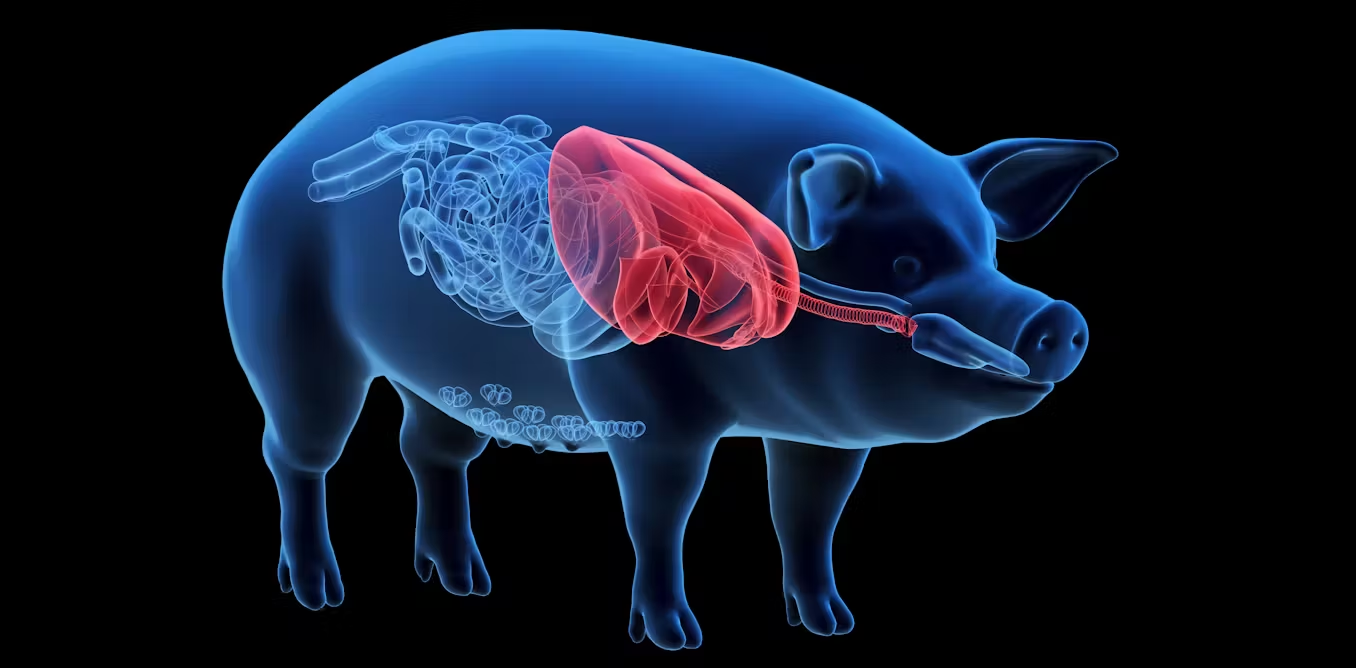
Xenotransplantation in humans is the subject of one announcement after another. This involves transplanting an organ or tissue from a genetically modified animal into a human, to alleviate the shortage of human organs. The “new genomic techniques” are used to genetically modify donor animals. Does the use of these techniques raise new questions of animal ethics?

Self-amplifying messenger RNA “vaccine”: after the human, the duck
A year and a half ago, France made it compulsory to vaccinate farmed ducks against the avian influenza virus, in order to protect its meat and foie gras industries. To date, France is the only country to have taken this vaccination route. One of the two vaccines used, the self-amplifying messenger RNA (mRNA) vaccine, raises questions.
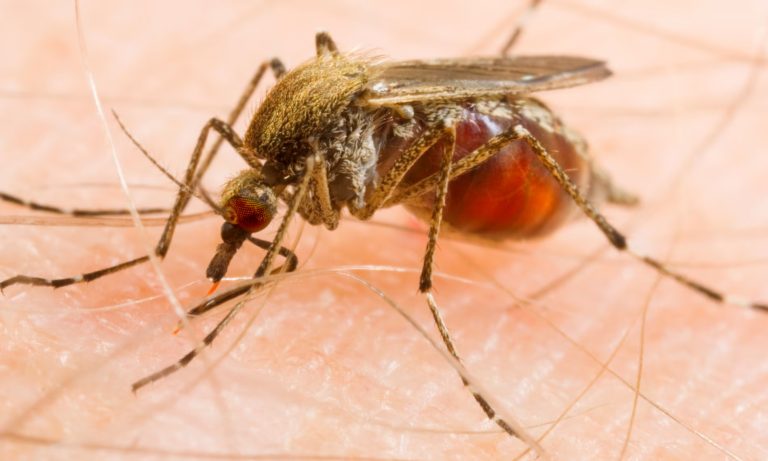
Male mosquitoes genetically modified to produce poison
Mosquitoes carry pathogens that cause diseases such as malaria and dengue fever, and are therefore known as vector-borne diseases. As part of the fight against these mosquitoes, researchers at Macquarie University (Australia) are considering a new genetic strategy. The idea is to genetically modify male mosquitoes so that their sperm produce molecules that will poison female mosquitoes.
The European Commission’s legal initiatives on the Living
In less than a year and a half, from May 3, 2022 to October 12, 2023, the previous European Commission has launched a number of legislative initiatives concerning the Living. The deregulation of GMOs, the digitization of living organisms and even patents are just some of the issues on the table of member states and the European Parliament. If adopted, these projects will make it easier for companies with substantial financial, human and technical resources to take ownership of the Living. These initiatives do echo current international negotiations.