

GMOs, seeds, pesticides, transparency… European law under attack!
In less than two weeks, between 10 and 19 December, 2025 ended with a rather unprecedented offensive by the European Union authorities against several European texts protecting the environment, health and citizens’ rights. GMOs, pesticides, seeds, corporate responsibility… everything is being called into question in order to “simplify” life for businesses in Europe. Faced with this frenetic pace, Inf’OGM continues its watchdog work, which is essential for public debate, the proper functioning of democracy and the protection of life, by providing accurate, rigorous and reliable information.

In the face of technological development, should we take the time to reflect on the bigger picture?
The development of GMOs, of the digitisation of living organisms and of the “biocontrol” are indicators of multinationals’ growing ambitions to appropriate living organisms, but not only. It is also, if not above all, a technological development which, once adopted, has a major impact on the global system that constitutes our societies and their environment. The changes are so significant that Frédéric Jacquemart refers to them as “systemic disruptions”. These disruptions should motivate our societies to adopt a global approach in order to better prepare and accept the necessary emergence of other “viable structures”, to use his wording.
Biodiversity and stability of natural systems: what are the impacts of GMOs?
There is no shortage of observations of a living world in the process of destruction, with examples such as collapsing biodiversity and climate change. However, the solutions proposed and adopted by decision-makers in technophile countries are fueling this destruction, as in the case of GMOs. In the opinion piece published here by Inf’OGM, Frédéric Jacquemart calls for the implementation of a “global (systemic) assessment” that would “take into account the organization of the natural complex systems on which we depend in order to guide public decision-making”.

Seed Treaty’s MLS enhancement package risks legitimizing biopiracy and inequity
For some times now, the International Treaty on Plant Genetic Resources for Food and Agriculture is discussing an expansion of its scope to all plant genetic resources for food and agriculture. Many stakeholders and observers are fearing this would end up in legitimizing biopiracy. As the next meeting will occur in Lima (Peru) starting in November, the 24th, Inf’OGM publishes the analysis of Nithin Ramakrishnan, from Third World Network, one of the stakeholders of this meeting.
Detection and identification of GMOs still demanded
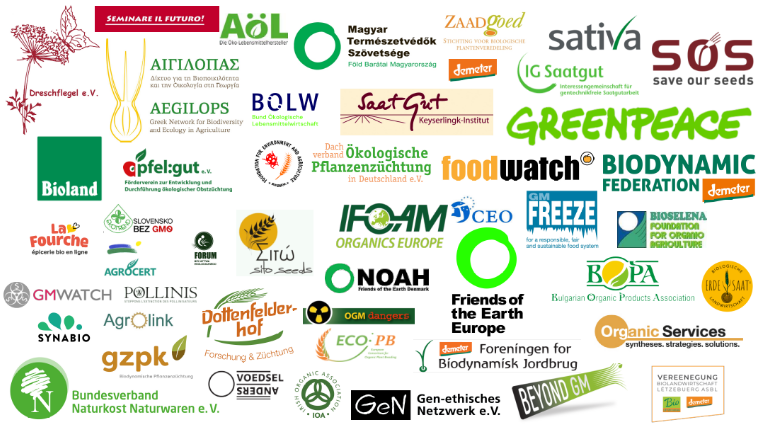
Three groups of French and European organizations have publicly called on political leaders not to abolish labelling and traceability requirements for GMOs produced using new techniques. In their view, maintaining these obligations is the only way to guarantee freedom of choice for farmers and consumers, and to protect the seed and peasant sectors from contamination and attempts by multinationals to take control of living organisms.