

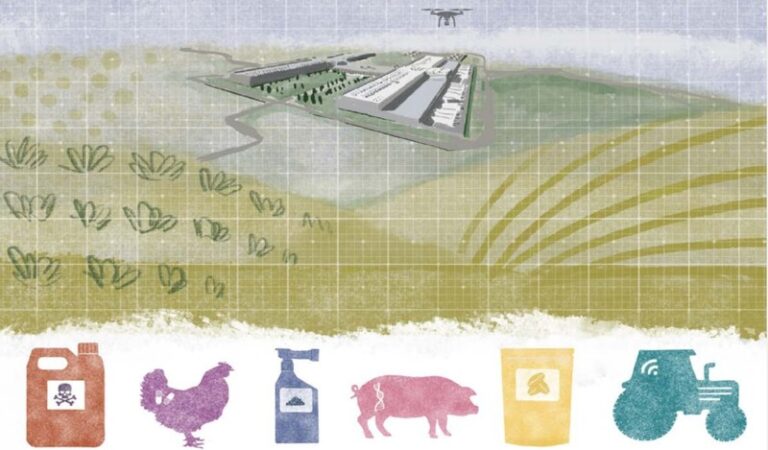
Top 10 agribusiness giants: Corporate concentration in food & farming
In times of war, market concentration allows companies to reap even greater profits, while farmers and consumers around the world suffer from rising fertilizer and food prices. This report provides a snapshot of the state of concentration in the agri-food sector. It follows up on the 2025 edition and assesses the state of market concentration in six key agricultural sectors: commercial seeds, pesticides, synthetic fertilizers, agricultural machinery, veterinary pharmaceuticals, and livestock genetics.
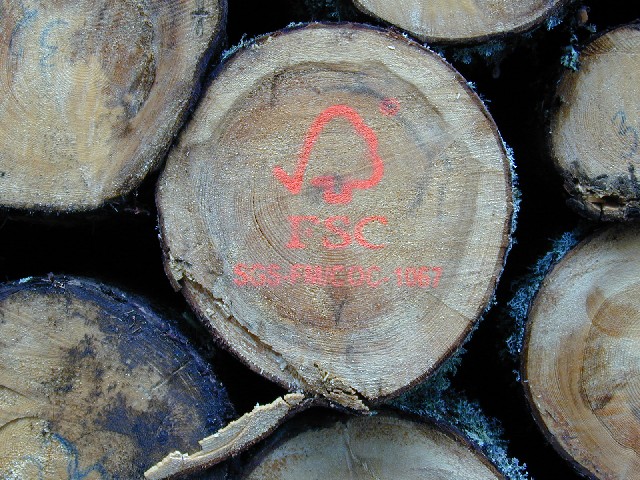
For the FSC label, trees derived from NGTs are GMOs that cannot be certified as “sustainable”
The Forest Stewardship Council (FSC), which certifies “sustainably” managed forests, held a public consultation on the interpretation of its definition of “genetically modified organism” (GMO)i – a definition adopted in 2000 and copied verbatim from the European definition in force since 1990. Currently, GMO tree plantations cannot obtain FSC certification. The consultation revealed conflicting views among the stakeholders (both members and non-members) who participated. However, among FSC members specifically, a narrow majority of respondents favored classifying trees derived from New Genomic Techniques (NGTs) as GMOs. Consequently, the FSC secretariat decided to keep trees genetically modified using NGTs within the GMO category, thereby maintaining the ban on their use in certified plantations.

The Cali Fund: one year on, the promise is fading
Adopted at the COP16 on biodiversity in November 2024, the Cali Fund was officially launched on 25 February 2025. Its aim is to collect a share of the revenue generated by the use of digital sequence information (DSI), which is predominantly exploited by industries in the Global North and identified in biological resources that very often originate from the Global South. The fund’s promise is to ensure the sharing of benefits arising from the use of this DSI, which in particular fuels numerous patent applications. But one year after its launch, the fund remains largely ignored by the main users of DSI.

Global GMO acreage remains stagnant
In 2024, 209.8 million hectares of genetically modified crops were grown worldwide, representing 4.2% of global farmland. Beyond this relatively low percentage, it is also important to note that, for decades, genetically modified crops have been limited to just a few countries and four plant species. GMO proponents readily cite the Bt eggplant in Bangladesh, or African countries that have recently authorized transgenic cotton or cowpeas… But this optical illusion is a long-standing strategy designed to create the illusion of GMO success.
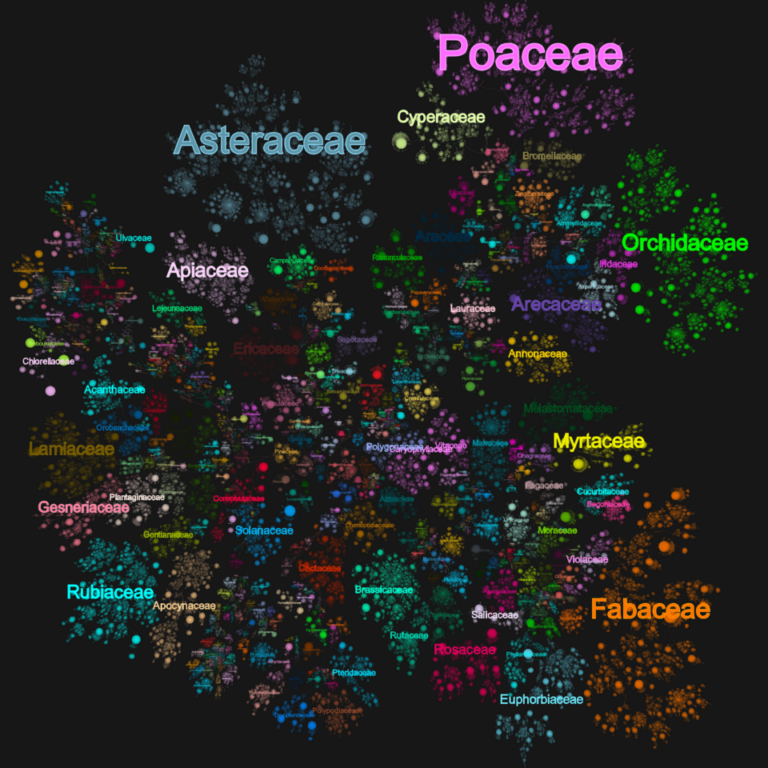
Digital sequence information: Appropriating life without touching it?
Digital sequence information (DSI) has long been a source of tension between countries in the “Global North” and the ”Global South”. The latter provides the majority of the physical genetic resources containing this DSI, whilst the North, thanks to its bioinformatics capabilities, carries out most of the exploitation and financial capitalisation of this information. Thus, by linking biological functions to digitised genetic sequences, the North files numerous patent applications and captures the lion’s share of the profits, in violation of international conventions and treaties. In an attempt to legalise this new form of biopiracy, a pledge to share these benefits equitably – the Cali Fund – was formalised in 2024. It remains, however, ineffective, failing to address a major injustice.
Seed Treaty’s MLS enhancement package risks legitimizing biopiracy and inequity
For some times now, the International Treaty on Plant Genetic Resources for Food and Agriculture is discussing an expansion of its scope to all plant genetic resources for food and agriculture. Many stakeholders and observers are fearing this would end up in legitimizing biopiracy. As the next meeting will occur in Lima (Peru) starting in November, the 24th, Inf’OGM publishes the analysis of Nithin Ramakrishnan, from Third World Network, one of the stakeholders of this meeting.
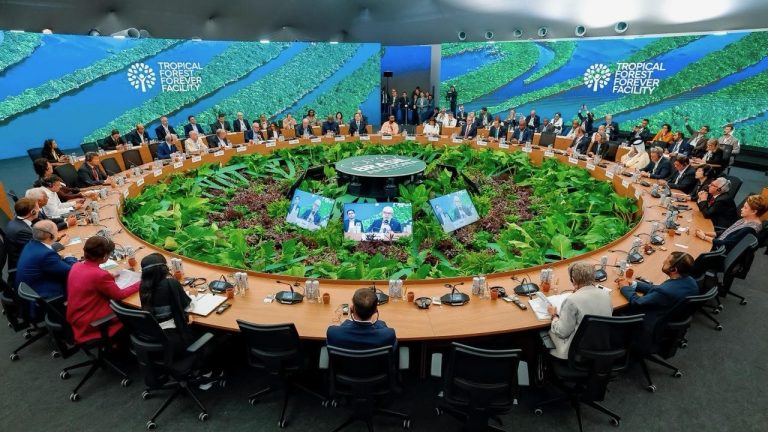
GMOs on the agenda at COP 30
At a time when countries are meeting in Belém, Brazil, to discuss the tools needed to combat climate change, Inf’OGM wishes to shed light on the role of biotechnology in these negotiations. Biotechnology companies are making several promises: GMOs will help combat world hunger and climate change.
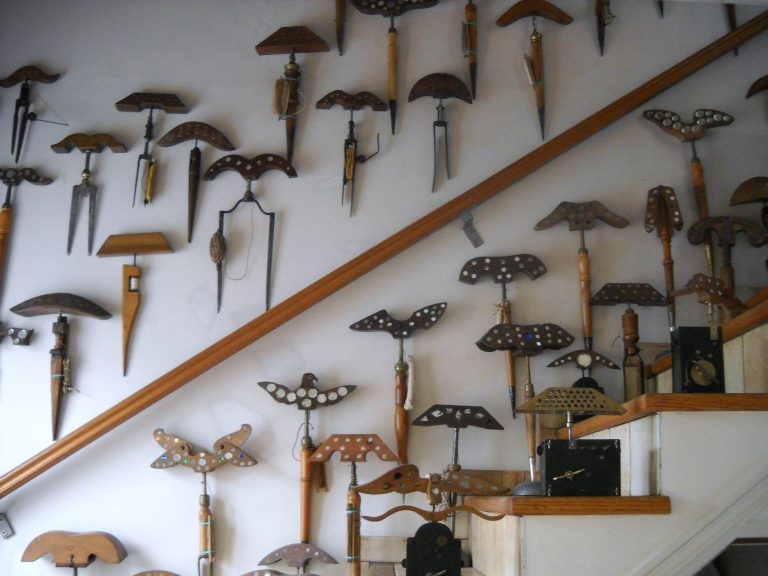
The Asilomar 2025 conference, a pipe dream
The Asilomar Conference (California, United States) on ‘recombinant DNA’ was organised in 1975 by molecular biology researchers. Its aim was to define the safety conditions necessary for handling genetically modified bacteria shortly after the first attempts at transgenesis.
Today, despite their medical, agricultural and environmental promises, biotechnological advances, combined with other technologies such as ‘artificial intelligence’, are above all a sword of Damocles hanging over all living things. In 2025, a new Asilomar conference failed to produce a joint statement by the participants.
Deadlock on digital sequencing information within the ITPGRFA
New negotiations on digital sequencing information within the framework of the ITPGRFA are reigniting tensions between “developing” and “developed” countries. The latter are imposing guidelines that weaken the claims of the other side and strengthen their control over plant genetic resources. Their weapon? Maintaining “free access” to digital sequencing information and parallel and optional benefit sharing, as agreed by the Convention on Biological Diversity.

Origin of Covid 19: the laboratory leak is the most likely (part 3)
Having described the complexity of the question of the origin of Sars-Cov2, the main players and their research (GOF, etc.), then the history of the pandemic (part 1 and part 2), we can give the opinions of the various parties, without any of them being totally convincing.
Origin of Covid-19: laboratory leak is the most likely scenario (part 2)
After describing the main issues and key players (part 1)i, we will now trace the prehistory of Covid-19, followed by its history, which has received more media coverage.
Origin of Covid-19: laboratory leak is the most likely scenario
A Covid-19 epidemic (acronym for ‘coronavirus disease 2019’) was officially declared in January 2020 in the city of Wuhan, then quickly turned into a pandemic spreading throughout the world. The rapid spread of the SARS-CoV-2 virus (for ‘Severe Acute Respiratory Syndrome’), responsible for this pandemic, led to lockdowns being imposed on everyone, regardless of age group or susceptibility to the disease. It has disrupted the lives of billions of people. But where did the virus come from? This three-part article aims to describe what is known about the origin of this virus and why it should matter to us, here and now. All those involved in this pandemic story are undoubtedly hiding part of the truth.
In the first part, we explain the issue and why it may be of interest to us, even after the pandemic is over, and describe its main players. In the second part, we will review the history of this pandemic. In the third part, we will give the opinions of various institutions on its origin.