


The OECD highlights disparities in regulations on GMOs obtained by NGTs
The argument that the European Union must catch up with other countries by deregulating GMOs produced using new genetic modification techniques (GMOs/NGTs) is repeated ad nauseam by their proponents. However, at the end of 2025, an OECD report reviewed the legislation in force in some of the largest GMO-producing countries (Argentina, Brazil, Canada, the United States, etc.). And the least one can say is that the international legislative landscape is highly varied.

AI creates new legal challenges in the field of patentability
“Artificial intelligence” (AI) is used to extract and restructure information from raw or unstructured data. Companies are using it to identify phenotypic traits associated with genetic sequences. Referring to a recent patent application by the company Inari, the German NGO Testbiotech points out the risks associated with the combination of new genomic modification techniques (NGT) and AI. It condemns the possible abuses of patentability and the need for robust GMO regulations. However, Inari has already filed other similar applications, which raises questions about the legal impact of such rights and their adaptation to AI-driven technologies.
25 years later, insecticidal GMOs face insect resistance
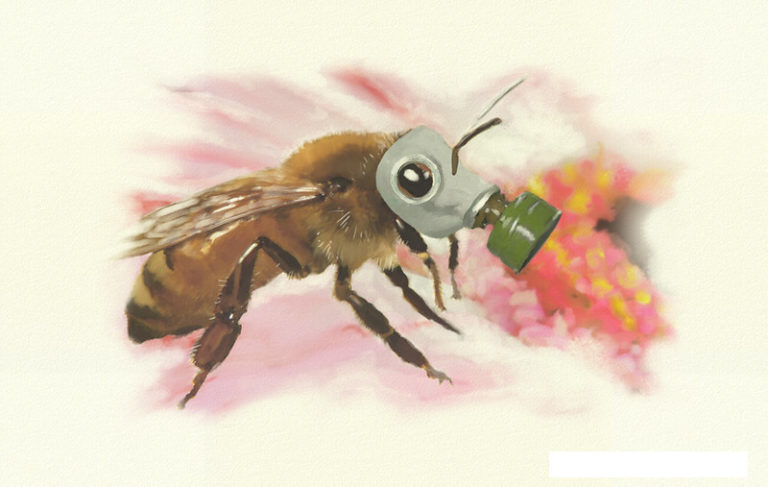
43 detections of insects having acquired resistance to the Bt proteins supposed to kill them were listed in a scientific article in 2023. 43 cases out of 73 studied, i.e. more than half. For the authors of the article, the use of insecticidal GMOs has been crowned with success, as in several cases it has made it possible to reduce or even eradicate local pests. But failures also occurred due to resistance. The authors believe that the future lies in a combination of technologies, among which is RNA interference.

Journal