


In the United States, companies produce few GMOs from NGTs
Over the past 16 years, the U.S. Department of Agriculture has issued 230 authorisations for GMOs plant developed using new techniques of genetic modification. These represent 35 plant species, 21 traits, and come from 55 different private entities. In reality, however, companies have been relatively inactive, filing an average of 1.2 applications per month for fewer than ten varieties that have actually been brought to market. Their focus appears to lie elsewhere, since, over the same period, more than 1,000 patents for products or processes were granted.

The United States is sequencing its national seed bank without sharing the data
The US Department of Agriculture has just announced that it is releasing $180 million to sequence its national seed bank. It states that the digital sequencing information (DSI) generated will be “United States intellectual property” and that international benefit-sharing mechanisms do not extend to this DSI. Whilst this issue of sharing is still being debated internationally, this project illustrates the US’s logic of appropriation and economic exploitation. Yet this DSI is derived from biodiversity that farmers and communities have developed, selected, preserved and renewed over millennia.

The United States do not exempt GMOs/NGTs
Unlike the European Union, in the United States, GMOs produced using new techniques of genetic modification (NGTs) are subject to federal legislation on GMOs. They may be subject to a risk assessment and, since 2018, to labelling and traceability requirements. Although the US administration sought to deregulate them in 2020, a court ruling in December 2024 cancelled this exemption.

MEXICO – Stacked GM corn: what are the risks?
Although it went largely unnoticed by the media, a victory was secured in Mexico on 17 March 2025 by indigenous peoples and certain scientists: a ban on the cultivation of GM maize was enshrined in the national Constitution. More recently, on 21 January 2026, another milestone victory was achieved by those campaigning against the risks posed by GM maize imported from the United States. But what is this maize, and what risks does it pose?
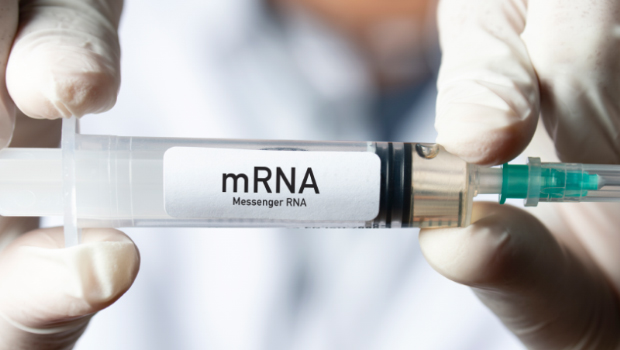
Will the mRNA flu vaccine come into being?
At the end of November 2025, the New England Journal of Medicine published an article on a clinical trial of a messenger RNA vaccine against seasonal influenza. The article was written by researchers working for Pfizer, the company that developed the vaccine. Pfizer is keen to show that its vaccine is more effective than conventional vaccines. However, independent experts have pointed out major omissions and inconsistencies in the publication, which minimise or even call into question the trial’s conclusions.
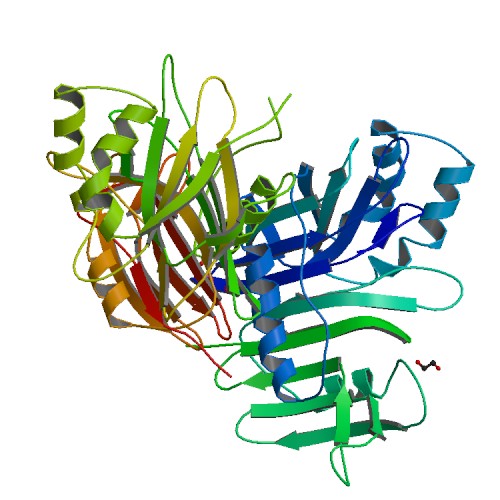
GMO viruses as laboratory tools to be spread in the environment ?
In a recent article, researchers detail several ongoing projects for the genetic modification of viruses. Some of these could be deliberately released into the environment. On February 7, 2024, the European Parliament asked the European Commission to study the potential deregulation of these GMO viruses. A general overview of those projects seems therefore necessary.