

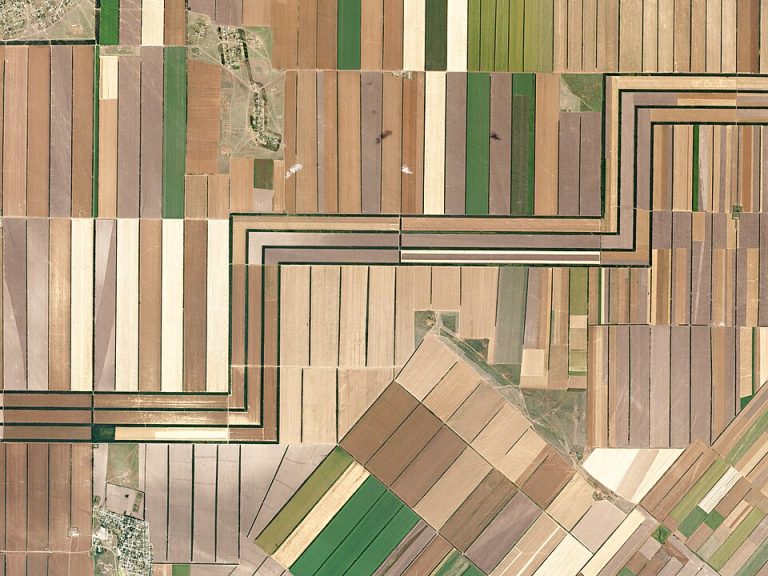
Will satellites save agriculture?
“How can we feed 10 billion people in 2050 with limited natural resources? To address this challenge, agritech start-ups are capitalising on the latest research findings to offer disruptive innovations and provide more efficient and environmentally friendly solutions” . This is how agritech is presented by BPI France, the French public investment bank. Once again, we see the famous promise to feed the world. To achieve this goal, we need to innovate, invest, digitise, robotise…
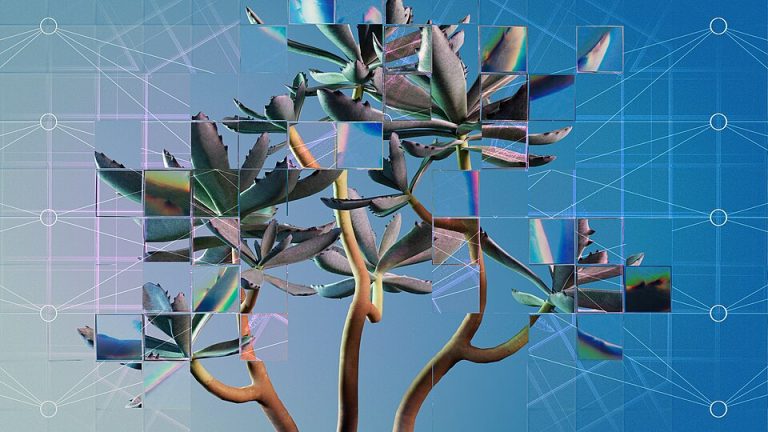
When algorithms decide on the genetic modification of living organisms
For many years now, multinationals have been collecting an increasing amount of genetic, proteic sequences and epigenetic informations. They are reducing living organisms to data compiled in digital databases. Using “artificial intelligence” algorithms, they claim to have the tools to determine which genetic modifications will produce a given new characteristic. In a society where genetic modification techniques and patents are intimately linked, these algorithms will above all accelerate the claim to own living organisms.
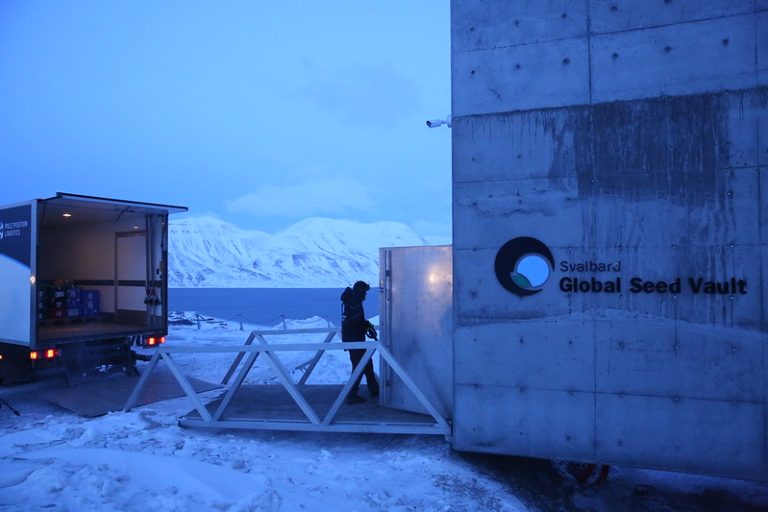
Pro-GMO multinationals indirectly manage the Svalbard seed bank
The Svalbard Global Seed Vault (Svalbard, Norway), often nicknamed the “seed vault”, plays a special role in preserving genetic biodiversity. Its main mission, focused on the long-term conservation of seed samples, is officially to preserve the diversity of plant genetic resources and ensure their accessibility in the event of disasters. However, a closer look at how it works reveals the considerable influence and interests of pro-GMO players in its governance. Who will really benefit from Svalbard, the multinationals or the farmers?
Journal
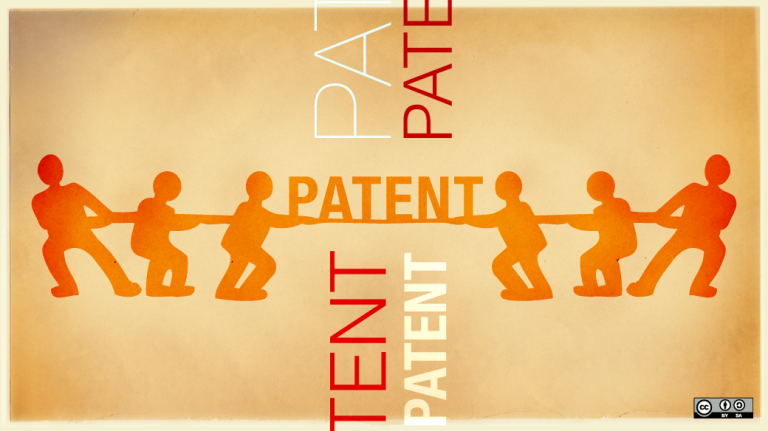
Patents on NGTs, between disputes and desire: the case of Crispr-Cas 9
Journal