

Patent law: a potential barrier to seed innovation
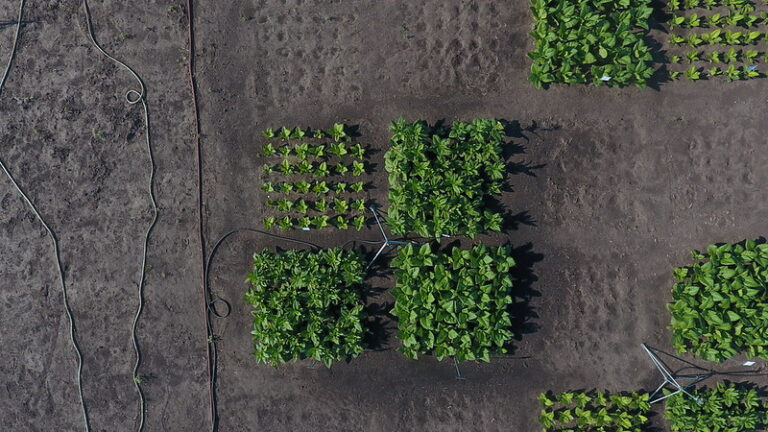
In the United States, a legal battle between two seed companies, Corteva and Inari, has highlighted a contradiction in the patent system. Whilst intended to encourage innovation in exchange for the disclosure of inventions, patents can also complicate access to the biological material needed for research and the creation of new varieties. In May 2026, the US Department of Justice intervened to highlight the competition and innovation issues linked to access to patented seeds. However, the dispute will not proceed to trial, as the companies signed an out-of-court settlement on 27 September 2026, the main terms of which remain confidential. A missed opportunity to obtain judicial clarification on the use of patented biological material by a third party.
NGT and patents: the EU has chosen to ignore the US precedent
New genetic modification techniques (NGTs) are presented by their proponents as a mean of promoting innovation in seed production and broadening farmers’ choices. However, the US experience shows that deregulating GMOs is not enough to make them accessible to users. According to a 2023 report by the US Department of Agriculture, the significant increase in patent fees on GMOs is hindering access to seeds in general. Europe, which has just adopted its regulation on GMOs produced using NGTs, arguing that it is necessary to boost variety innovation, was nevertheless aware of this report on the situation in the US.

NGT Regulation: is Europe heading for a rise in seed prices?
In June, the European Parliament adopted a regulation on new genetic modification techniques (NGTs). Contrary to the demands of several civil society organisations – notably farmers’ groups, but also MEPs – the text does not ban patents on products derived from these NGTs. However, experience in the US shows that the strengthening of intellectual property rights over seeds has been accompanied by a general rise in their prices – particularly those of genetically modified seeds – and by increased concentration within the sector. This trend could also occur in Europe and, in the long term, have an impact on food prices.
KWS: patents to control “native traits”
Since 2022, the German seed company KWS has been developing a range of patent licences covering “native traits”. Presented as a means of “promoting innovation in plant breeding”, this strategy illustrates how patents can be used to control the use of these “native traits”, even though they are already present in biodiversity. This approach by the German seed company, which is also known for its aggressive policy of defending its intellectual property, also highlights the current limitations of European patent law.

Patents and “native traits”: circumventing the limits of European law
For over a decade, European institutions have sought to prevent the patenting of plants and traits obtained exclusively through essentially biological processes. However, patents relating to “native traits” continue to indirectly cover these traits through claims relating to associated technical features. The recent deregulation of GMOs/NGTs raises concerns about the risk of these patents extending to plants derived from traditional breeding and propagation – which are not patentable – and which therefore naturally contain such “native traits”.

Patents on GMOs/NGTs raise issues that the EU may refuse to address
In July 2023, alongside its proposal to deregulate new genetic modification techniques (NGTs), the European Commission promised an assessment of the impact of patents on plant breeding. The report, produced by Technopolis and published in December 2025, highlights several problems related to patents. These problems will not be resolved by the non-binding measures adopted by the Council of the European Union in April 2026. Do the European authorities really only listen to the voice of industry, even if it means ignoring the reports they commission?

GMO/NGT: A memo from the French Embassy in the United States ignored by the government
In late April 2026, the French government supported the deregulation of GMOs produced using new techniques of genetic modification (GMO/NGT). A month earlier, however, the French Embassy in the United States had sent the government a memo detailing the situation in that country. Despite more than 140 marketing authorisations, only a few GMO/NGT are actually on the market there… but with significant patent-related issues. The situation described bears no resemblance to the promises made by multinational corporations or the European Commission.

German MEPs from the EPP raise concerns over patents
As the European Parliament’s plenary vote on the deregulation of GMOs produced by new genetic modification techniques (GMOs/NGTs) approaches, the issue of patents remains a key point of contention. Against this backdrop, the German delegation of the European People’s Party (EPP) has called on the European Commission. It is asking the Commission to show willingness to review Directive 98/44 on “biotechnological inventions” to ensure free access to genetic resources and prevent them from being controlled by major seed companies.

The French Ministry of Agriculture concedes a compromise on patents in the GMO/NGT regulations
At a “Seed Sector Meeting” in February 2026, the representative of the French Ministry of Agriculture defended the proposed deregulation of numerous GMOs. However, his remarks primarily revealed tensions, misunderstandings and disagreements within the French administration regarding the issue of patents… a subject that is nonetheless central to the future of plant breeding!
Digital sequence information: Appropriating life without touching it?
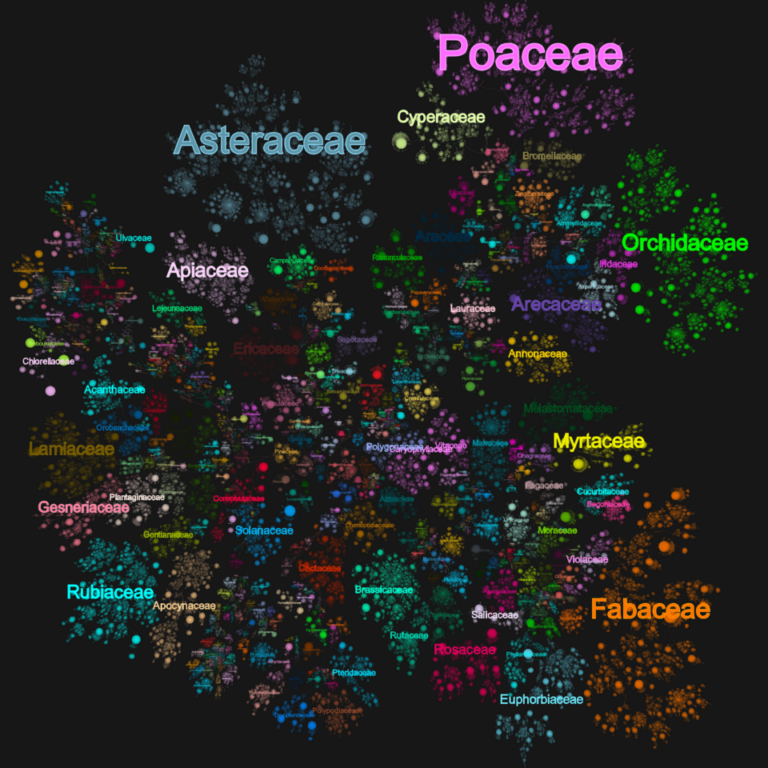
Digital sequence information (DSI) has long been a source of tension between countries in the “Global North” and the ”Global South”. The latter provides the majority of the physical genetic resources containing this DSI, whilst the North, thanks to its bioinformatics capabilities, carries out most of the exploitation and financial capitalisation of this information. Thus, by linking biological functions to digitised genetic sequences, the North files numerous patent applications and captures the lion’s share of the profits, in violation of international conventions and treaties. In an attempt to legalise this new form of biopiracy, a pledge to share these benefits equitably – the Cali Fund – was formalised in 2024. It remains, however, ineffective, failing to address a major injustice.

Patents on life: extension through language and law
In the field of life sciences, the scope of a patent depends not only on the invention described, but also on the way it is claimed and the legal framework governing its protection. Drafting strategy, functional claims, homology percentages… these are all tools that can considerably broaden the scope of the initial “invention”. In the context of genetic sequences and digital data associated with living organisms, these mechanisms are now of particular importance.
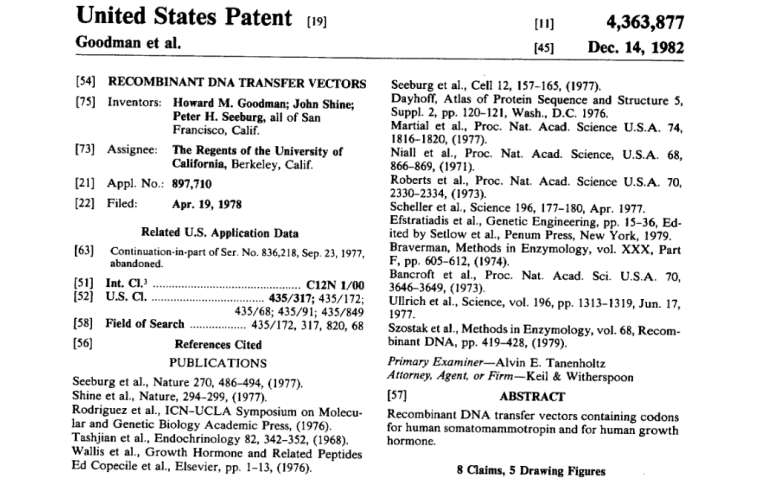
Patents, living organisms and GMOs/NGTs
A patent confers the right to prevent third parties from exploiting an invention. Whilst historically it applied to specific technical objects and/or the processes for obtaining them, its extension to living organisms – and subsequently to genetic information – has transformed its scope. Between the broadening of claims, mechanisms for extending protection and growing legal uncertainties, patents now represent a threat from the biotechnology industry to fundamental economic and societal issues, particularly food sovereignty.